Gold has fundamentally reshaped Sudan’s macroeconomic landscape, transitioning from a supplementary resource to the nation’s primary engine of foreign exchange. For international stakeholders evaluating gold sourcing in Sudan, understanding this economic pivot is critical. It highlights not only the volume of available supply but also the government’s vested interest in maintaining stable, compliant export channels. As the leading contributor to national revenue, gold exports underpin the country’s fiscal stability and drive its integration into international gold trading networks.
Sudan Gold operates within this high-stakes economic environment. We recognize that every transaction contributes to a broader ecosystem of formalization and growth. Our commitment to licensed operations and transparent documentation aligns with Sudan’s strategic goal of maximizing legitimate revenue while minimizing illicit outflows.

Gold as the Primary Driver of Foreign Exchange
Following the secession of South Sudan in 2011, which resulted in the loss of the majority of the country’s oil reserves, Sudan faced an acute balance-of-payments crisis. The rapid expansion of the gold sector filled this void. Today, gold accounts for over 70% of Sudan’s total export earnings, surpassing livestock, gum arabic, and other traditional commodities.
This dominance makes gold export from Sudan a matter of national security. The Central Bank of Sudan actively manages gold purchases and exports to stabilize the Sudanese Pound (SDG) and build foreign currency reserves. For Sudan gold exporters, this means operating in an environment where regulatory oversight is intense and continuous. The state’s reliance on gold revenue necessitates strict adherence to licensing and reporting requirements, ensuring that official channels remain the preferred route for high-value transactions.
Fiscal Revenue and Government Budgeting
Beyond foreign exchange, gold exports provide substantial fiscal revenue through taxes, royalties, and licensing fees. The Ministry of Finance and Economic Planning relies heavily on these inflows to fund public services, infrastructure projects, and debt servicing. The government has implemented tiered royalty structures based on production scale and purity, incentivizing formalization and higher-quality output.
For Sudan gold suppliers working with licensed partners, this fiscal framework offers stability. Transactions conducted through official channels benefit from clear tax codes and legal protections, reducing the risk of arbitrary seizures or confiscations that plague informal markets. Sudan Gold ensures all client transactions are fully tax-compliant, providing the necessary documentation to satisfy both Sudanese authorities and international auditors.
Employment and Socio-Economic Development
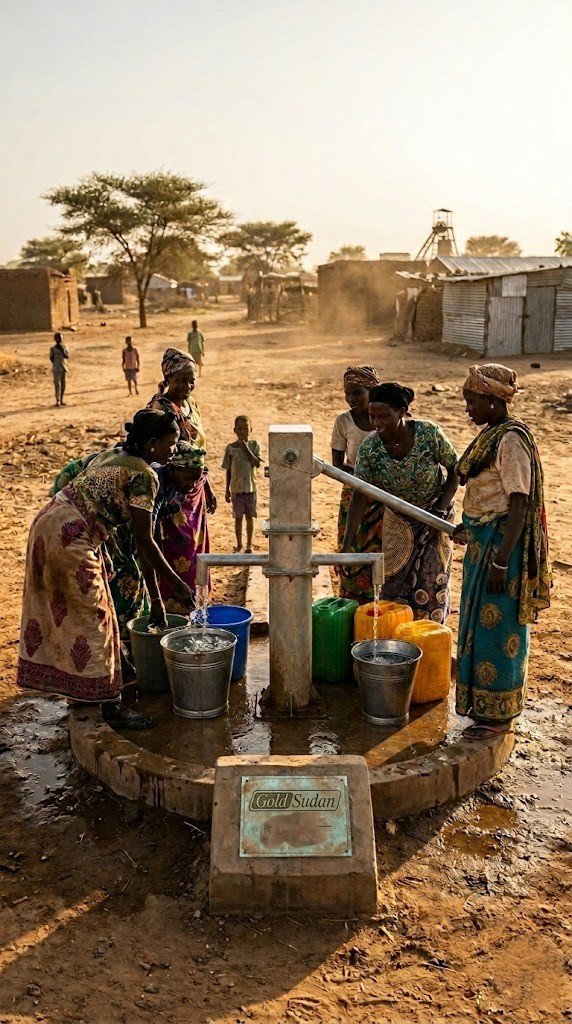
The gold boom has generated hundreds of thousands of jobs, directly and indirectly. In remote regions like the Northern State and River Nile State, mining is often the sole source of cash income for local communities. The sector supports a vast value chain including equipment suppliers, transport operators, food vendors, and service providers.
While artisanal mining dominates employment figures, the shift toward mechanized commercial mining is creating higher-skilled jobs in geology, engineering, and environmental management. This evolution is crucial for the long-term sustainability of the Sudan gold market. Sudan Gold supports this transition by partnering with entities that invest in local capacity building and adhere to responsible labor practices, thereby enhancing the social license to operate.
Challenges: Illicit Trade and Formalization Efforts
Despite its economic benefits, the sector faces significant challenges, primarily from illicit trade. Smuggling remains a persistent issue, driven by price differentials between local informal markets and international hubs. This leakage deprives the state of revenue and undermines efforts to establish a transparent international gold trading environment.
To combat this, the Sudanese government has intensified crackdowns on unauthorized exports and enhanced monitoring at border crossings. Initiatives include the establishment of official gold buying centers in mining regions and stricter penalties for non-compliance. These measures aim to channel more production into the formal economy, benefiting licensed Sudan gold exporters who operate above board.
Sudan Gold plays a proactive role in this formalization process. By offering competitive pricing, secure logistics, and guaranteed payment terms, we provide a compelling alternative to informal traders. Our model demonstrates that compliance and profitability are not mutually exclusive.
Impact on Infrastructure and Regional Development
Gold revenues have spurred infrastructure development in previously neglected regions. Roads, power grids, and communication networks are being upgraded to support mining activities, benefiting broader economic growth. Towns near major mining sites are experiencing rapid urbanization, attracting investment in housing, education, and healthcare.
This infrastructure boom facilitates more efficient gold export from Sudan. Improved transport links reduce logistics costs and delivery times, making Sudanese gold more competitive globally. Sudan Gold leverages these improvements to optimize our supply chain, ensuring timely and cost-effective delivery to international buyers in the UAE, Europe, and Asia.
Global Market Integration and Investment Appeal
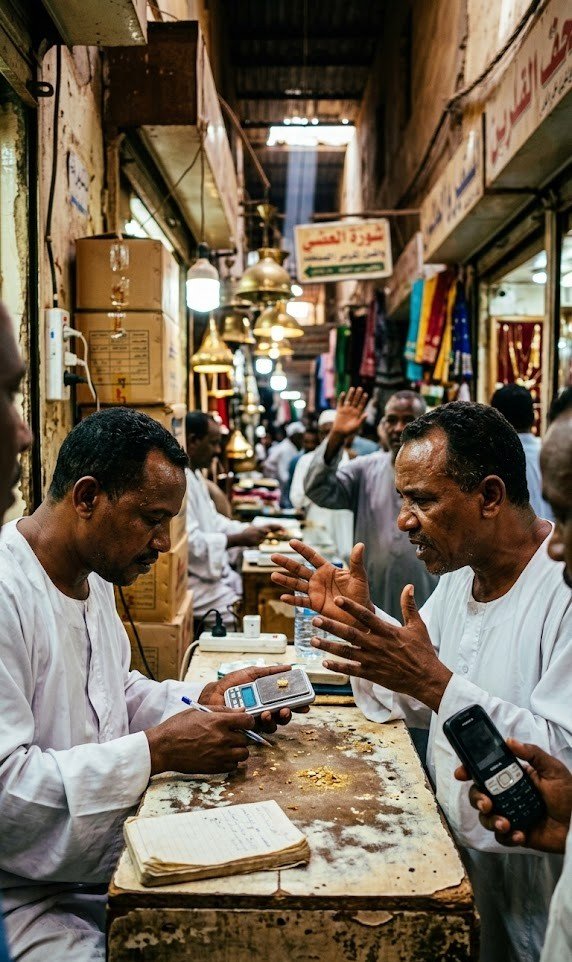
As Sudan’s gold sector matures, it is attracting increased attention from global investors and refineries. The country’s strategic location, coupled with its vast reserves, positions it as a key supplier in the African precious metals landscape. International buyers are increasingly viewing Sudan as a viable alternative to traditional sources, provided that compliance and due diligence standards are met.
Sudan Gold bridges this gap. We offer institutional-grade services that meet the rigorous requirements of global markets. Our expertise in navigating the Sudan gold market allows us to deliver consistent quality and reliability, fostering long-term partnerships with discerning buyers.
Conclusion: A Strategic Partner for Sustainable Growth
The economic impact of gold exports in Sudan is profound, driving foreign exchange earnings, fiscal revenue, and socio-economic development. However, realizing the full potential of this sector requires a steadfast commitment to formalization and compliance. Sudan Gold embodies this commitment, offering a reliable, transparent, and professionally managed pathway for buying gold from Sudan.
For international buyers seeking to engage with this dynamic market, partnering with a trusted, licensed exporter is essential. We invite refiners, institutional investors, and trade finance entities to collaborate with us in building a sustainable and prosperous future for the Sudanese gold industry.
Discover our comprehensive export solutions and compliance framework at goldsudan.com.
Website: goldsudan.com Email: Sales@goldsudan.com