In an era where Environmental, Social, and Governance (ESG) criteria dictate investment flows, ethical gold sourcing in Sudan has transitioned from a niche preference to a global imperative. For institutional buyers, refiners, and jewelers, the origin of gold is as critical as its purity. The challenge lies in navigating a market dominated by Artisanal and Small-Scale Mining (ASM), where risks such as child labor, unsafe working conditions, and environmental degradation have historically been prevalent. However, a new paradigm is emerging one where formalization, rigorous due diligence, and community partnership are transforming Sudanese gold into a responsible, conflict-free asset.
Sudan Gold is at the forefront of this ethical revolution. We do not merely extract value; we invest in the sustainability of the communities and ecosystems we operate within. Our sourcing model is explicitly designed to eliminate human rights abuses and environmental harm, ensuring that every gram of gold we export contributes positively to Sudan’s development while meeting the strictest international standards.
The Ethical Challenges in Sudanese ASM
To understand the significance of ethical sourcing, one must acknowledge the historical challenges of the sector:
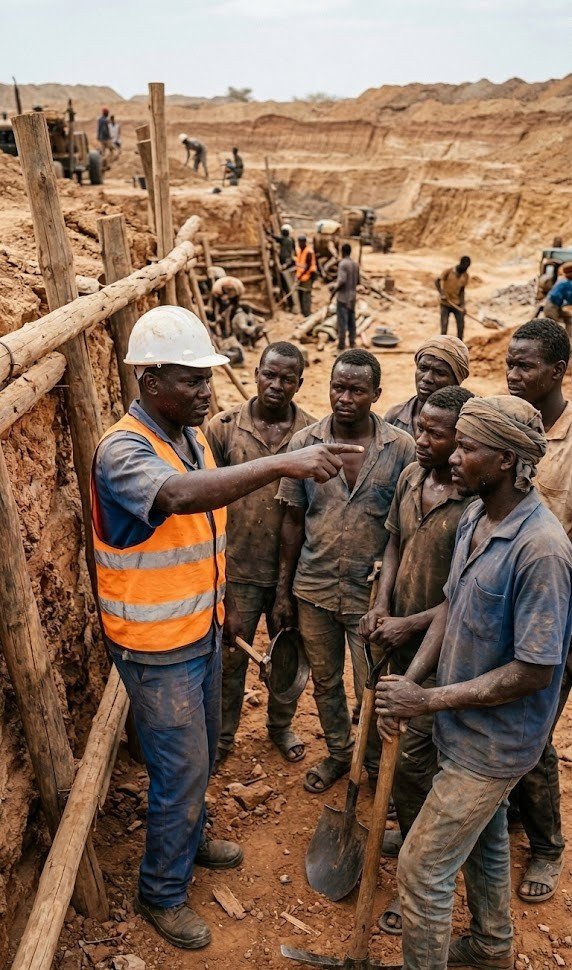
- Labor Rights: In informal settings, there was little oversight regarding child labor, forced labor, or fair wages. Miners often worked in hazardous conditions without protective gear.
- Environmental Impact: Unregulated mining frequently led to land degradation, water contamination from mercury use, and deforestation.
- Conflict Financing: Although rare in Sudan compared to other regions, the lack of traceability in informal chains created a theoretical risk that gold could fund local conflicts or armed groups.
These issues posed significant reputational and legal risks for downstream buyers, necessitating a shift toward formalized, ethical supply chains.
Our Pillars of Ethical Sourcing
Sudan Gold addresses these challenges through a comprehensive, action-oriented framework:
1. Zero Tolerance for Child and Forced Labor
We enforce a strict “No Child Labor” policy across our entire supply chain.
- Age Verification: All miners in our partner cooperatives must provide valid identification proving they are over 18. We conduct random audits to verify ages.
- Community Education: We work with local leaders to emphasize the importance of education over child labor, supporting school initiatives in mining communities.
- Grievance Mechanisms: We maintain anonymous reporting channels for workers to report any instances of forced labor or exploitation without fear of retaliation.
2. Health and Safety Standards
We actively upgrade safety protocols in the artisanal sector.
- Protective Equipment: We distribute personal protective equipment (PPE) such as boots, gloves, helmets, and masks to our partner miners.
- Training Programs: Regular training sessions are held on shaft stability, safe handling of tools, and emergency response procedures.
- Site Inspections: Our field teams conduct weekly safety audits, shutting down any operations that pose immediate risks to workers until hazards are mitigated.
3. Environmental Stewardship
We are committed to minimizing the ecological footprint of our operations.
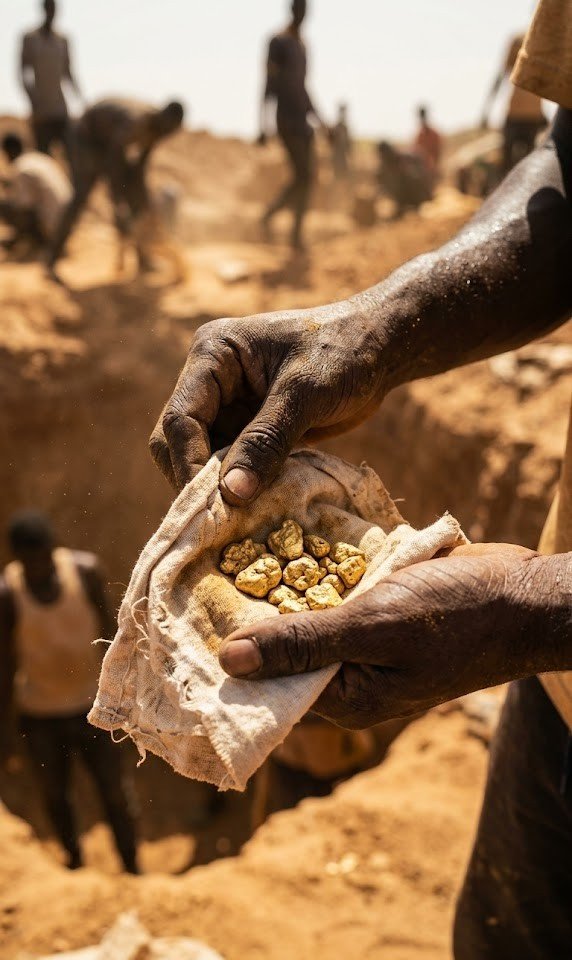
- Mercury Reduction: We actively promote and train miners on mercury-free extraction methods, such as gravity concentration, reducing toxic runoff into local water sources.
- Land Rehabilitation: We require our partners to backfill excavated pits and replant vegetation post-mining to restore the land.
- Waste Management: Proper disposal protocols for mining waste are implemented to prevent soil and water contamination.
Alignment with International Standards
Our ethical framework is not self-defined; it aligns with globally recognized benchmarks:
- OECD Due Diligence Guidance: We adhere to the five-step framework for responsible supply chains, ensuring our gold is conflict-free and respects human rights.
- UN Guiding Principles on Business and Human Rights: We respect and protect human rights in all our operations and business relationships.
- LBMA Responsible Sourcing: Our processes are designed to meet the rigorous requirements of the London Bullion Market Association, facilitating acceptance by top-tier refineries.
The Economic Case for Ethical Sourcing
Ethical sourcing is not just a moral obligation; it is a strategic advantage.
- Market Access: Major refineries and banks increasingly refuse gold that cannot be proven ethical. Our compliance opens doors to premium markets in Europe and North America.
- Brand Value: Buyers who source ethically enhance their brand reputation, appealing to conscious consumers and investors.
- Supply Chain Stability: Treating miners fairly and safely fosters loyalty and reduces turnover, ensuring a more stable and reliable supply of gold.
Community Impact and Development
True ethical sourcing extends beyond the mine site to the broader community.
- Fair Wages: By eliminating middlemen, we ensure miners receive a fairer share of the gold’s value, directly lifting household incomes.
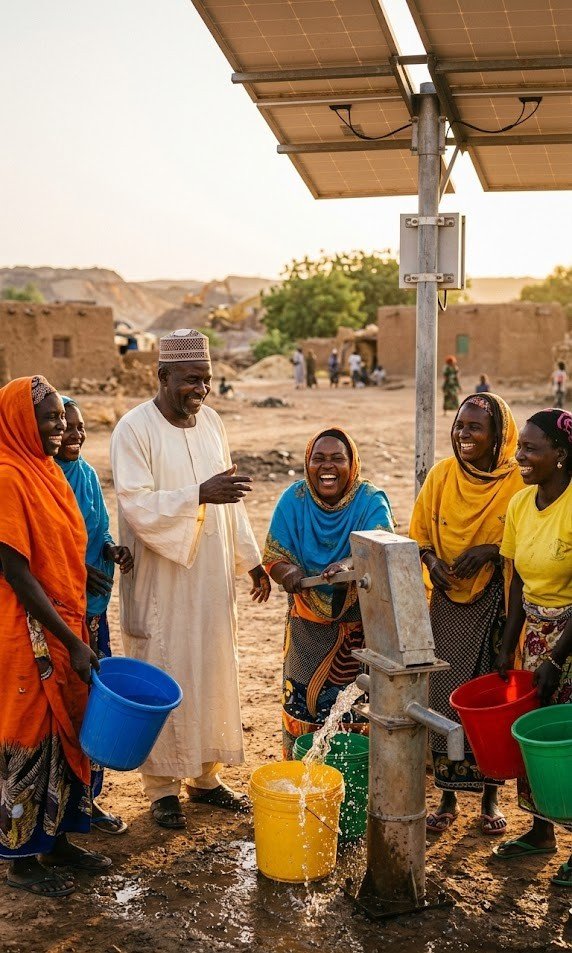
- Local Investment: A portion of our profits is reinvested into community projects, such as clean water wells, schools, and healthcare clinics.
- Empowerment: We support the formation of miner cooperatives, giving workers a collective voice and greater bargaining power.
Conclusion
Ethical gold sourcing in Sudan is a journey of transformation from an informal, high-risk sector to a responsible, sustainable industry. It requires unwavering commitment, rigorous oversight, and genuine partnership with local communities. Sudan Gold has embraced this challenge, building a supply chain that respects human dignity, protects the environment, and delivers value to the global market. For buyers, choosing our gold means choosing a future where prosperity and ethics go hand in hand, securing not just a commodity, but a legacy of positive change.
Website: goldsudan.com Email: Sales@goldsudan.com