Determining the price of gold in Sudan is a dynamic process that blends global market benchmarks with local operational realities. For institutional buyers, understanding the factors affecting gold pricing in Sudan is crucial for accurate budgeting and contract negotiation. Unlike the fixed spot price of refined bullion in London or New York, the price of Sudanese doré is a derived value. It starts with the international spot price and is then adjusted for purity, refining costs, logistics, risk premiums, and local fiscal obligations. Navigating these variables requires a transparent partner who can break down the cost structure clearly.
Sudan Gold employs a formula-based pricing model that ensures fairness and alignment with global markets. We do not rely on arbitrary figures; every component of our pricing is traceable to real-time data, verified costs, and mutually agreed-upon margins. This transparency allows buyers to understand exactly what they are paying for and how each factor influences the final deal.
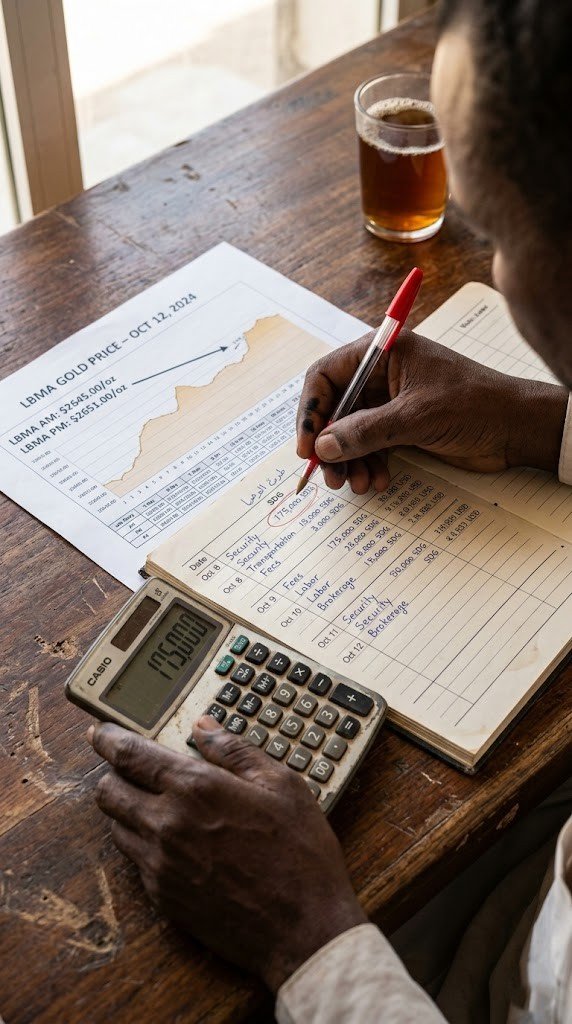
1. The Global Spot Price Benchmark
The foundation of all gold pricing in Sudan is the international spot price, typically referenced from the LBMA (London Bullion Market Association) or COMEX markets.
- Real-Time Fluctuation: Prices change minute-by-minute based on global supply, demand, currency strength (especially the USD), and geopolitical events.
- Currency Conversion: Since global gold is priced in USD per troy ounce, local transactions must account for the USD/SDG exchange rate if any costs are incurred in local currency, though most export deals are USD-denominated.
- Timing: The price is usually locked at a specific time (e.g., the AM fix on the day of assay completion) to prevent volatility risks during the transaction window.
2. Purity and Fine Gold Content
Sudanese gold is exported as doré, not pure bullion. Therefore, the price is adjusted based on the fine gold content.
- Assay Adjustment: If the spot price is $2,000/oz for 99.99% gold, and the Sudanese doré is 90% pure, the base value is calculated on the 90% fine content only.
- Impurity Deductions: The remaining 10% (silver, copper, etc.) is generally not paid for at the gold rate. Silver may be credited separately if recoverable, but base metals are considered waste.
- Refining Yield Risk: Buyers often apply a small discount to account for potential loss during the refining process at the destination.
3. Refining and Treatment Charges (TCs)
Since the gold requires further processing, the cost of refining is factored into the purchase price.
- Treatment Charges: Fees charged by refineries to remove impurities. Higher impurity levels in Sudanese doré (e.g., high copper) lead to higher TCs, which lowers the net price paid to the exporter.
- Refining Charges (RCs): A percentage fee based on the value of the recovered gold.
- By-Product Credits: If the doré contains significant silver, the estimated credit from selling that silver can offset some refining costs, slightly improving the net price.
4. Logistics and Security Costs
Moving gold from remote Sudanese mines to global hubs involves significant expense.
- Domestic Transport: Armored vehicles, security escorts, and fuel costs for moving gold from mine sites to Khartoum.
- Air Freight: Specialized high-value cargo fees for flights to Dubai or Europe.
- Insurance: Comprehensive all-risk insurance premiums covering theft, loss, and political instability.
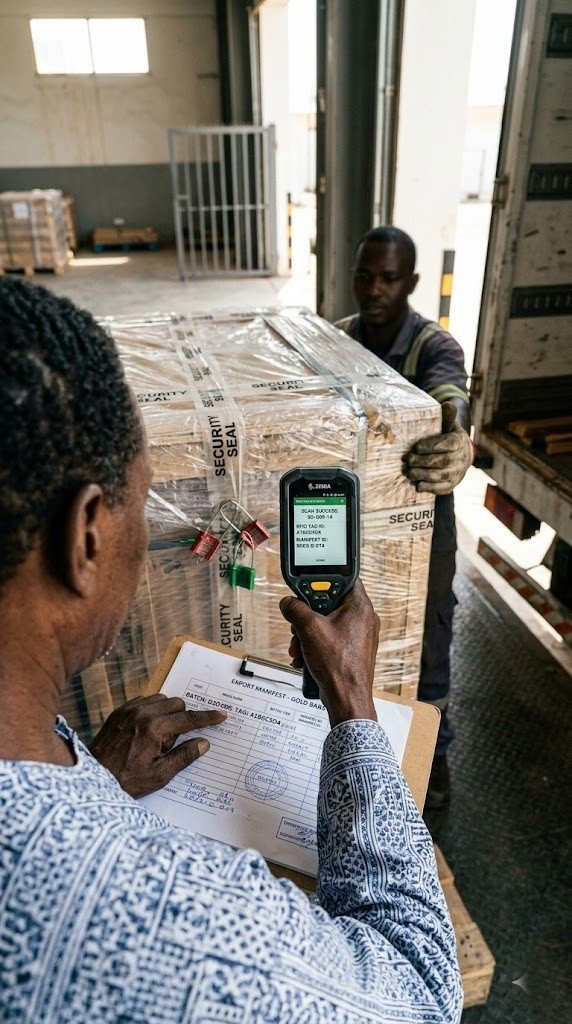
- Security Overheads: Costs for vaults, armed guards, and surveillance systems throughout the supply chain.

5. Taxes, Royalties, and Fiscal Obligations
Government levies are a significant component of the final cost.
- Mining Royalties: A percentage of the gold’s value paid to the state for extraction rights.
- Export Taxes: Specific duties levied on cross-border movement of precious metals.
- Corporate Tax & VAT: Applicable taxes on the exporter’s margin and services.
- Compliance Costs: Fees for licensing, auditing, and regulatory reporting required by the Central Bank and Ministry of Finance.
6. Risk Premiums and Market Dynamics
Frontier markets like Sudan carry inherent risks that influence pricing.
- Political Risk Premium: Investors may demand a higher return (lower buy price) to compensate for perceived political instability or regulatory changes.
- Liquidity Constraints: Limited access to immediate large-scale capital can sometimes affect negotiating power.
- Supply/Demand Imbalance: Local competition among buyers for high-grade doré can drive prices up, while global downturns can suppress them.
- Counterparty Trust: Established, compliant exporters like Sudan Gold often command better prices than unknown entities because they reduce the buyer’s risk of fraud or seizure.
Conclusion
Factors affecting gold pricing in Sudan are multifaceted, ranging from global market swings to local logistical hurdles. For buyers, understanding this complex equation is key to securing fair deals and avoiding hidden costs. Sudan Gold’s transparent pricing model demystifies these factors, offering a clear breakdown of how every dollar is accounted for. By aligning our prices with global benchmarks while honestly accounting for local realities, we ensure that our partners receive a competitive, equitable, and sustainable value proposition in every transaction.
Website: goldsudan.com Email: Sales@goldsudan.com