For institutional buyers and refiners, the value of gold export from Sudan is not determined solely by its gold content, but equally by what it doesn’t contain. The specific profile of impurities and refining requirements in Sudanese doré bars dictates the cost, complexity, and environmental compliance of the final purification process. While Sudanese gold is renowned for its high grade, the accompanying base metals and trace elements vary significantly by region, requiring tailored refining strategies to maximize recovery and minimize penalties.
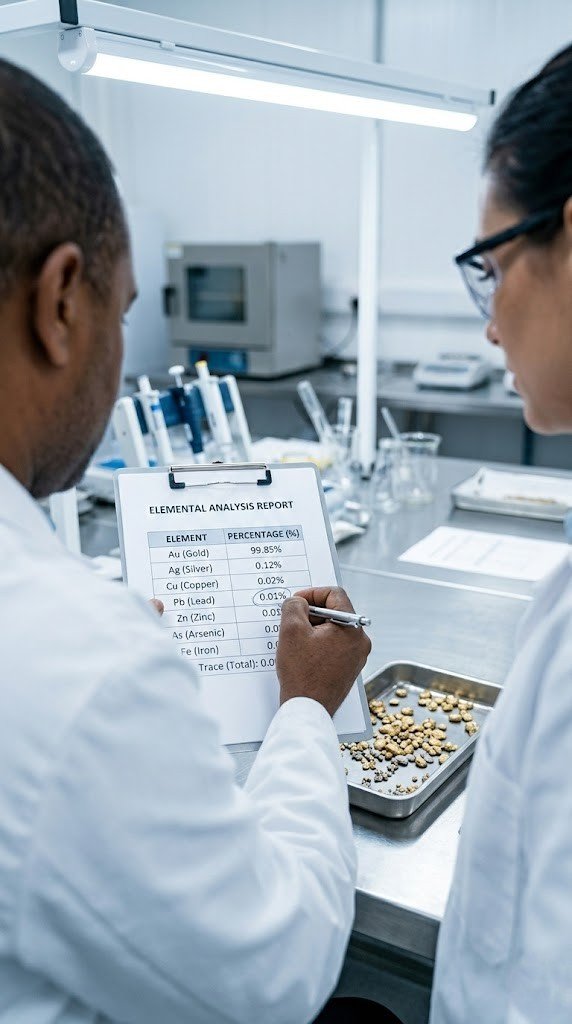
Sudan Gold provides comprehensive elemental analysis for every shipment, ensuring that buyers and refineries know exactly what they are processing. By understanding the unique impurity signature of our gold, partners can optimize their flux recipes, energy consumption, and chemical treatments, turning a raw commodity into a refined asset with maximum efficiency.
Common Impurities in Sudanese Doré
Sudanese gold deposits are geologically diverse, leading to varying impurity profiles across different mining regions:
- Silver (Ag): The most common and valuable impurity. In many Northern State deposits, silver content ranges from 5% to 12%. While technically an impurity in gold refining, it is a recoverable precious metal that refineries often credit back to the buyer.
- Copper (Cu): Prevalent in Red Sea and some River Nile deposits. Copper increases the melting point and viscosity of the melt, requiring more aggressive fluxing (silica/borax) to separate. High copper levels can lead to higher treatment charges.
- Iron (Fe) & Lead (Pb): Often present in smaller quantities (1%–3%). Iron creates hard, refractory slags that are difficult to remove, while lead requires careful handling due to toxicity and environmental regulations.
- Trace Elements: Mercury (Hg), Arsenic (As), and Antimony (Sb) can occur in trace amounts (ppm levels). These are critical “penalty elements” because they pose environmental hazards and require specialized scrubbing systems in refineries.
The Refining Process: Removing the Unwanted
Transforming Sudanese doré into 99.99% pure bullion involves a multi-stage refining process designed to target these specific impurities.
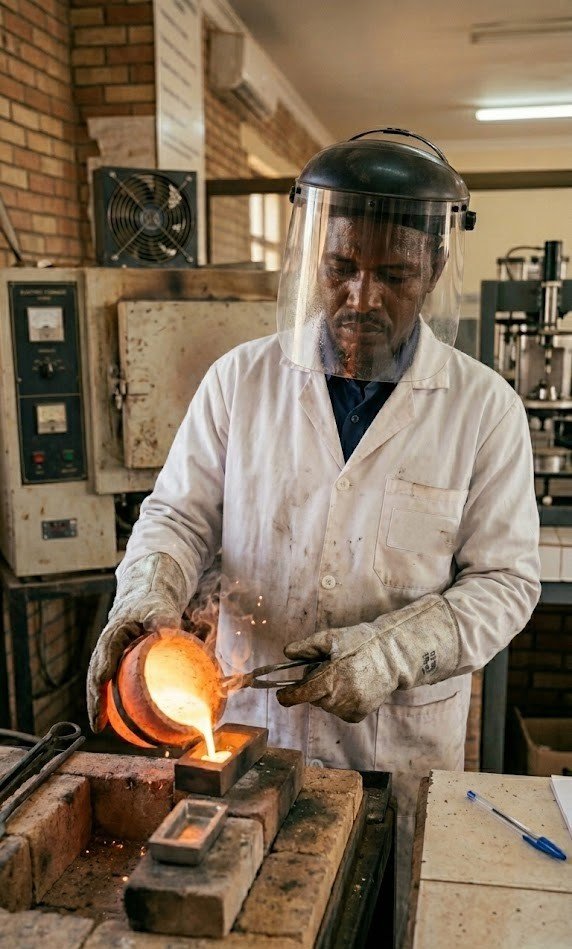
1. Fluxing and Smelting
The first step is to separate base metals from precious metals.
- Silica Flux: Added to react with copper and iron, forming a liquid slag that floats to the top and is skimmed off.
- Oxidizing Agents: Niter (potassium nitrate) or air lances are used to oxidize base metals, forcing them into the slag phase while leaving gold and silver intact.
- Borax: Acts as a solvent to lower the melting point of the slag, ensuring a clean separation.
2. Parting (Gold-Silver Separation)
Once base metals are removed, the remaining alloy is mostly gold and silver.
- Granulation: The molten alloy is poured into water to create small shots, increasing surface area.
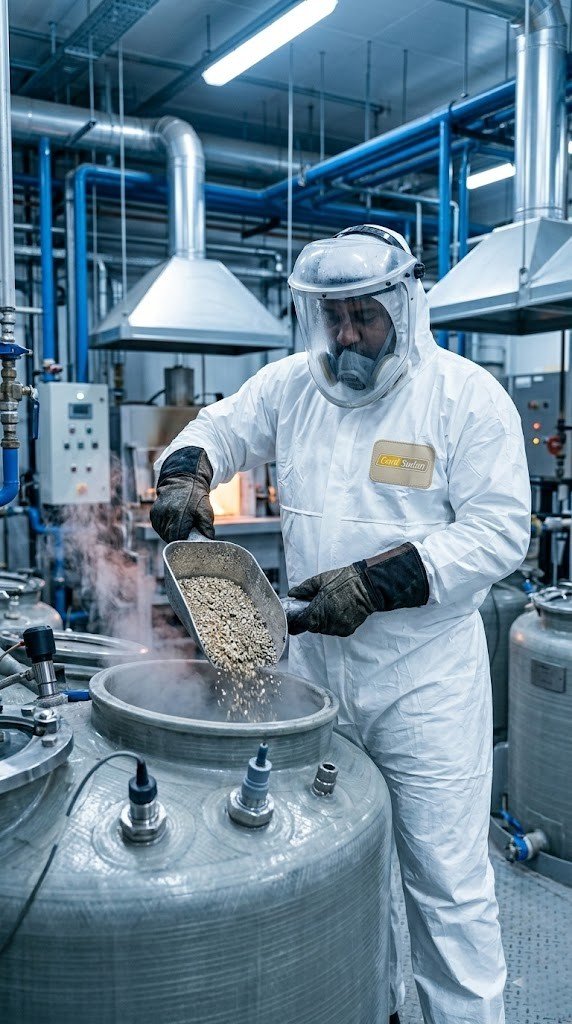
- Acid Treatment: The granules are treated with concentrated nitric or sulfuric acid. The acid dissolves the silver (forming silver nitrate or sulfate) but leaves the gold untouched as a solid “cornet” or sponge.
- Silver Recovery: The silver-rich solution is then processed (often with copper or electrolysis) to recover pure silver, which is sold as a by-product.
3. Electrolytic Refining (Wohlwill Process)
For the highest purity (99.99%), the gold undergoes electrolysis.
- Anode/Cathode Setup: Impure gold is cast into anodes and placed in an electrolyte cell. Pure gold sheets act as cathodes.
- Deposition: When current is applied, pure gold dissolves from the anode and deposits onto the cathode, leaving any remaining trace impurities (like platinum group metals or stubborn base metals) in the slime at the bottom.
Impact of Impurities on Valuation
The specific mix of impurities directly affects the commercial terms of the trade:
- Treatment Charges (TCs): Refineries charge fees based on the difficulty of removing impurities. High copper or iron content increases TCs.
- Penalty Elements: Presence of mercury or arsenic above certain thresholds (e.g., >1 ppm) triggers significant penalties or even rejection, as specialized handling is required.
- By-Product Credits: High silver content is a positive factor. Refineries will deduct the refining cost for silver but credit the buyer for the recovered silver value, often improving the net return.
- Yield Loss: Some impurities trap microscopic gold particles in the slag. Efficient refining minimizes this loss, but it is a factor in pricing negotiations.
Sudan Gold’s Proactive Approach
We mitigate these issues before the gold leaves Sudan:
- Pre-Export ICP Analysis: We test for all major and trace impurities using ICP-MS, providing buyers with a full elemental breakdown.
- Blending and Homogenization: At our aggregation centers, we blend doré from different sources to create a consistent average impurity profile, reducing the risk of extreme spikes in penalty elements.
- Refinery Matching: We advise buyers on which refineries are best suited for their specific batch profile (e.g., sending high-silver doré to refineries with optimized silver recovery circuits).
Conclusion
Impurities and refining in Sudan gold are not obstacles but manageable variables in the value chain. By understanding the specific elemental profile of Sudanese doré and applying targeted refining techniques, buyers can maximize recovery, minimize penalties, and unlock the full value of by-products like silver. Sudan Gold’s commitment to detailed analysis and transparent reporting ensures that our partners are never blindsided by hidden costs, enabling efficient, profitable, and environmentally responsible refining operations.
Website: goldsudan.com Email: Sales@goldsudan.com