The global gold market is witnessing a structural shift where global gold demand is increasingly decoupled from traditional Western investment flows and re-aligned with the physical consumption needs of Asia and the strategic reserve accumulation of emerging economies. In this new landscape, African supply led by powerhouses like Ghana, Mali, and rapidly rising Sudan has become the critical engine feeding this demand. While mature mining jurisdictions in North America and Australia face declining grades and soaring operational costs, Africa offers high-grade, accessible deposits that are essential for meeting the insatiable appetite of refineries in Dubai, Mumbai, and Shanghai. For institutional buyers, understanding this supply demand dynamic is key to securing long-term volume in a tightening market.
Sudan Gold sits at the epicenter of this shift. We provide the bridge between Africa’s vast, under-explored resources and the world’s fastest-growing consumption centers. By optimizing our export corridors to serve these specific demand hubs, we ensure that our partners have priority access to the metal that powers the global economy.

The Drivers of Global Demand
Understanding who is buying gold explains why African supply is so critical:
- Central Bank Accumulation: Central banks in China, India, Turkey, and Eastern Europe have been record buyers of gold, seeking to diversify reserves away from the US dollar. They require massive, reliable volumes that only major producing regions like Africa can provide.
- Asian Consumption: India and China account for over 50% of global jewelry and retail investment demand. This cultural and economic driver creates a constant, high-volume baseline need for physical metal.
- Industrial & Tech Use: Growing sectors in electronics and renewable energy (where gold is used for conductivity) add a steady layer of industrial demand.
- Safe Haven Flows: In times of geopolitical uncertainty, global investors flock to gold, spiking demand instantly. African mines, with their ability to ramp up artisanal production quickly, are uniquely positioned to respond to these spikes.
Africa’s Supply Advantage
Why is Africa becoming the dominant supplier?
- Geological Endowment: Africa holds some of the world’s richest gold belts (e.g., the Nubian Shield, the Birimian Greenstone Belts). Grades are often significantly higher than in mature jurisdictions.
- Cost Competitiveness: Despite infrastructure challenges, the all-in sustaining costs (AISC) for many African operations remain lower than those in Canada or Australia, ensuring profitability even at moderate gold prices.
- Artisanal Flexibility: The large ASM sector in countries like Sudan acts as a “shock absorber,” increasing production rapidly when prices rise, providing liquidity that rigid industrial mines cannot match.
- Proximity to Markets: Northeast Africa (Sudan) is geographically closer to the booming Asian and Middle Eastern markets than competitors in the Americas, reducing logistics costs and transit time.
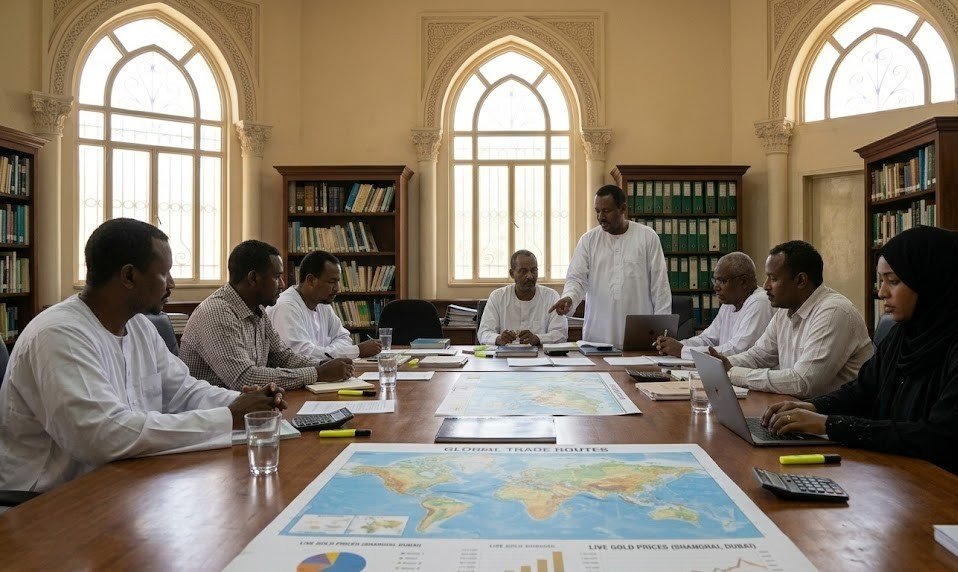
The Supply-Demand Gap
Analysts predict a widening gap between global demand and mine supply:
- Declining Mature Mines: Many major mines in established regions are reaching the end of their life cycles, with few new discoveries to replace them.
- Exploration Deficit: Global spending on greenfield exploration has been stagnant for years, meaning future supply pipelines are thin outside of Africa.
- The African Opportunity: This deficit positions Africa, and specifically Sudan with its untapped potential, as the primary source of new supply growth for the next decade. Buyers who secure African supply chains now are future-proofing their businesses.
Strategic Implications for Buyers
For international partners, this dynamic dictates strategy:
- Diversification is Key: Relying solely on traditional suppliers is risky. Adding African sources hedges against geographic concentration risk.
- Long-Term Contracts: With demand outstripping supply, securing volume through long-term offtake agreements with African exporters is becoming essential.
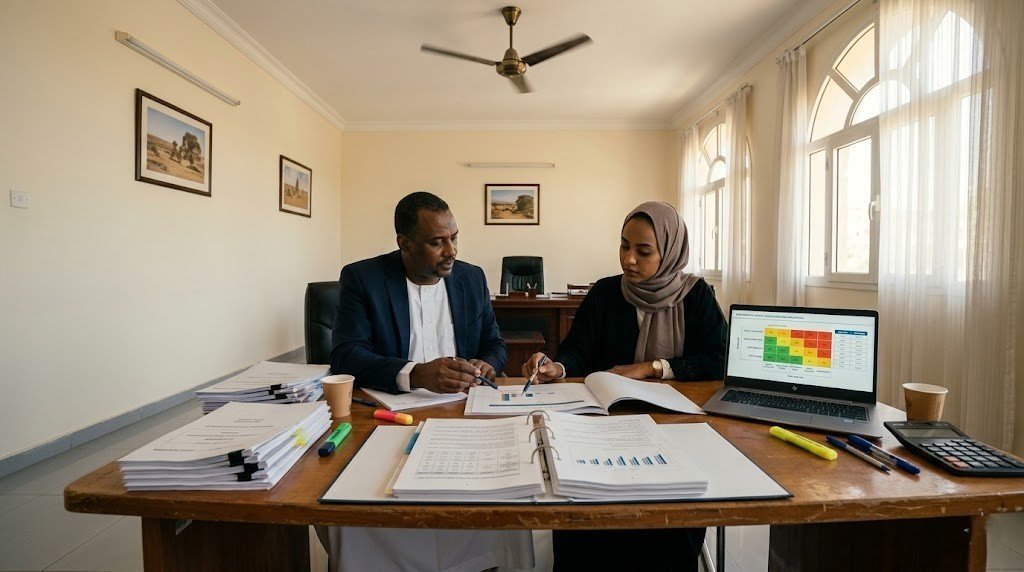
- Compliance as a Differentiator: As demand grows, so does scrutiny. Buyers who partner with compliant, transparent African exporters (like Sudan Gold) will have preferential access to premium markets that reject informal gold.
Conclusion
Global gold demand and African supply are two sides of the same coin. As the world’s hunger for gold intensifies, Africa’s ability to deliver high-quality, cost-effective volume makes it the indispensable heart of the global market. Sudan, with its vast reserves and strategic location, is poised to lead this charge. For buyers, aligning with Sudan Gold means securing a front-row seat to this growth, ensuring access to the metal that drives the global economy. In the equation of gold, Africa is the variable that solves the supply crisis.
Website: goldsudan.com Email: Sales@goldsudan.com