In a market where high rewards attract both legitimate operators and opportunistic fraudsters, how to identify a trusted gold exporter in Sudan is the most critical skill an international buyer can possess. The difference between a profitable partnership and a total loss often comes down to rigorous due diligence. A genuine exporter operates with radical transparency, holds verifiable government licenses, maintains a physical footprint, and adheres to international compliance standards. In contrast, fraudulent entities rely on opacity, unrealistic promises, pressure tactics, and virtual offices. For institutional buyers, establishing a strict evaluation framework is not optional it is the primary defense against risk.
Sudan Gold invites this scrutiny. We believe that trust is earned through evidence, not assurances. Our operations are built to withstand the toughest audits, providing partners with the confidence that comes from verified facts, clear documentation, and a proven track record.
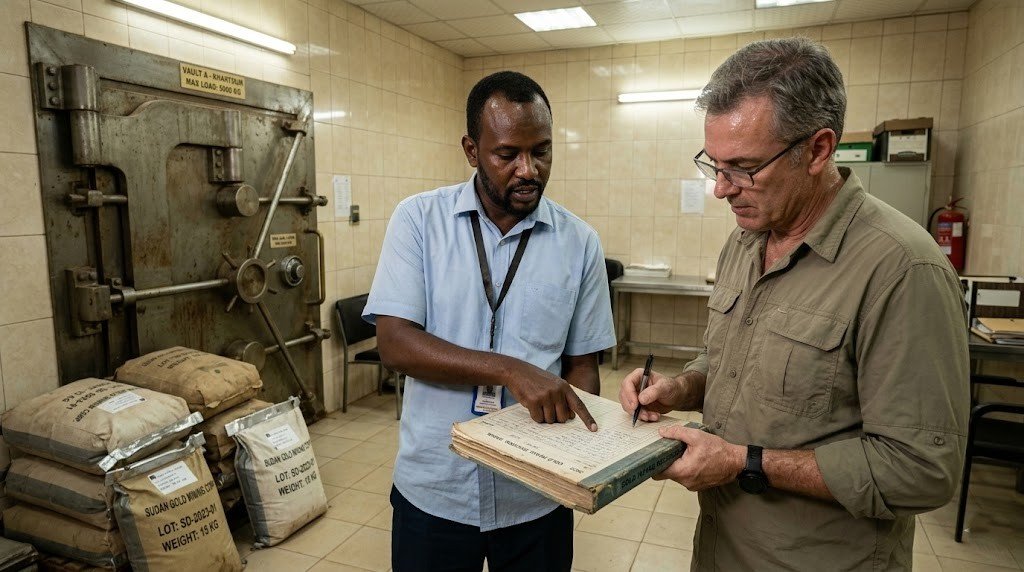
1. Verification of Licensing and Regulatory Standing
The first step is confirming legal authority. A trusted exporter must hold valid, current licenses from the relevant Sudanese authorities.
- Check the Triad: Ensure they have licenses from the Ministry of Energy and Mining (trading license), the Ministry of Finance (export permit capability), and registration with the Central Bank of Sudan.
- Cross-Reference: Do not accept photocopies at face value. Verify license numbers directly with the issuing ministries or through local legal counsel.
- Export History: Ask for evidence of past successful exports (e.g., redacted air waybills, customs clearance proofs). A legitimate exporter will have a trail of shipped cargo.
- Red Flag: Hesitation to share license details, inability to provide recent export proofs, or licenses that are expired or suspended.
2. Operational Transparency and Site Access
A genuine exporter has nothing to hide regarding their operations.
- Site Visits: Demand the opportunity to visit their aggregation centers, vaults, and even source mine sites. A trusted partner will facilitate these visits, even if they require security clearance.
- Process Visibility: They should be willing to walk you through their entire chain of custody, from miner payment to final sealing.
- Meet the Team: Verify the existence of their operational staff (geologists, security, logistics). Fraudulent entities often exist only as email addresses and phone numbers.
- Red Flag: Refusal to allow site visits, excuses about “security” preventing any access, or meetings held only in hotels/coffee shops with no connection to a physical office or vault.
3. Financial Integrity and Banking Relationships
How money moves is a key indicator of legitimacy.
- Corporate Accounts: Ensure payments are made to verified corporate bank accounts in the company’s name, never to personal accounts or third-party intermediaries.
- Banking Partners: Ask which commercial banks they use. Reputable exporters maintain relationships with established local and international banks that perform their own due diligence.
- Payment Terms: Be wary of demands for 100% upfront cash payments or unconventional methods (crypto, cash couriers). Standard trade involves Letters of Credit (LC) or escrow arrangements.
- Red Flag: Pressure for immediate cash transfers, requests to pay into personal accounts, or lack of a clear audit trail for financial transactions.

4. Compliance and Due Diligence Frameworks
In today’s regulatory environment, compliance is non-negotiable.
- AML/KYC Policies: Ask for their written Anti-Money Laundering and Know Your Customer policies. Do they screen counterparties? Do they report suspicious activities?
- OECD Alignment: Do they follow the OECD Due Diligence Guidance? Can they provide evidence of supply chain mapping and risk assessments?
- Third-Party Audits: Have they been audited by independent firms? Are they members of recognized industry bodies?
- Red Flag: Lack of written compliance policies, ignorance of international standards like OECD or FATF, or refusal to undergo third-party verification.
5. Reputation and References
Finally, leverage the network.
- Client References: Request contact information for existing international clients. Speak to them directly about their experiences.
- Industry Reputation: Consult with freight forwarders, refineries, and banks who handle Sudanese gold. They know who pays their bills and delivers clean cargo.
- Local Intelligence: Engage local legal counsel or consultants to investigate the company’s standing in the Khartoum business community.
- Red Flag: No verifiable references, negative rumors in industry circles, or a history of legal disputes.

Conclusion
How to identify a trusted gold exporter in Sudan comes down to one principle: verify, don’t trust. By systematically checking licenses, demanding operational transparency, scrutinizing financial practices, validating compliance frameworks, and seeking independent references, buyers can separate the professionals from the pretenders. Sudan Gold stands ready to pass every one of these tests with flying colors, offering a partnership built on the solid foundation of proven integrity and performance. In a market of uncertainty, being able to identify a true partner is your greatest asset.
Website: goldsudan.com Email: Sales@goldsudan.com