The Sudanese gold sector is defined by a unique dual economy: the massive, agile volume of artisanal mining versus the capital-intensive, high-efficiency potential of industrial mining. Understanding the economics of artisanal vs. industrial mining in Sudan is critical for investors and buyers, as each model offers distinct risk-return profiles, cost structures, and scalability trajectories. While artisanal mining currently dominates production (accounting for ~80% of output) due to low barriers to entry and immediate cash flow, industrial mining represents the future of yield optimization, regulatory compliance, and long-term reserve replacement. The most successful strategy for Sudan’s growth lies not in choosing one over the other, but in creating a synergistic ecosystem where formalized artisanal cooperatives feed into industrial-scale processing hubs.
Sudan Gold operates at this intersection. We aggregate high-volume artisanal production while simultaneously investing in mechanized processing infrastructure, capturing the liquidity of the informal sector and the efficiency of the industrial model to deliver a consistent, cost-competitive supply chain.
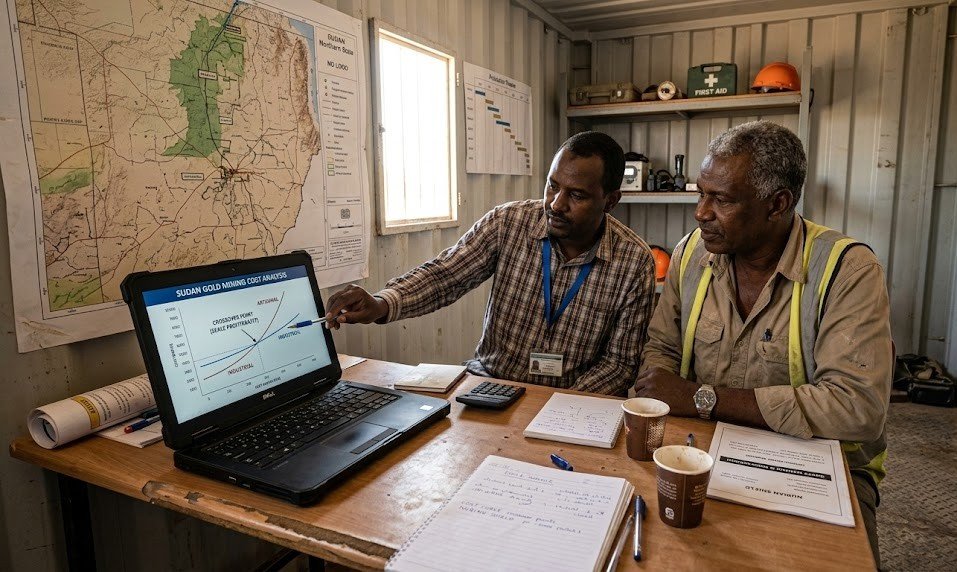
The Artisanal Model: Low CapEx, High Labor
Artisanal and Small-Scale Mining (ASM) is the backbone of Sudan’s current production:
- Cost Structure: Extremely low capital expenditure (CapEx). Miners use basic tools (picks, shovels, pans) and often family labor, resulting in near-zero overhead. The primary cost is opportunity cost and physical labor.
- Flexibility: ASM can start and stop instantly based on gold prices or seasonal factors (e.g., farming cycles). This agility allows it to survive price dips that would bankrupt industrial operations.
- Grade Sensitivity: Artisanal miners can profitably work very high-grade pockets of ore that are too small or irregular for large machines to target economically.
- The Challenge: Low recovery rates (often 40-60%) due to primitive processing methods, and significant environmental/social risks if unregulated.
The Industrial Model: High CapEx, High Efficiency
Industrial mining is the engine for future growth and stability:
- Cost Structure: High initial CapEx for exploration, licensing, heavy machinery, and processing plants. However, once operational, the All-In Sustaining Cost (AISC) per ounce can be significantly lower due to scale.
- Recovery Rates: Modern processing plants (CIL/CIP) achieve recovery rates of 90%+, extracting significantly more gold from the same amount of ore compared to artisanal methods.
- Reserve Life: Industrial projects are based on proven reserves with multi-decade lifespans, providing predictable, long-term supply contracts that institutional buyers require.
- Compliance: Industrial operations are inherently easier to regulate, tax, and audit, making them the preferred vehicle for ESG-compliant investment.
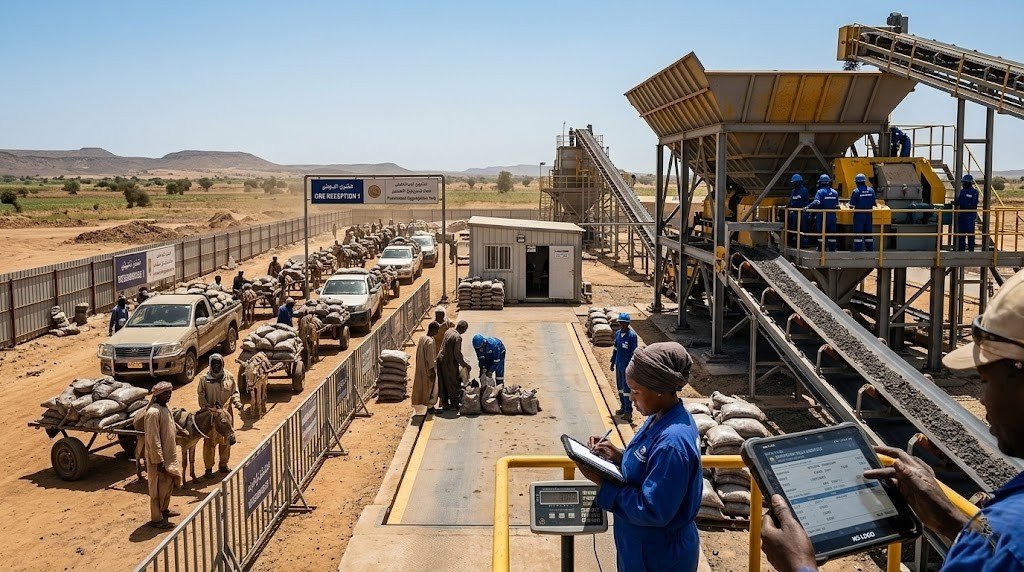
The Hybrid Opportunity: Formalization and Aggregation
The most promising economic path for Sudan is the hybridization of these models:
- Aggregation Hubs: Industrial players can build centralized processing facilities that buy ore from hundreds of artisanal miners. This gives miners immediate cash and higher prices (due to better recovery), while the processor gains steady feedstock without the risk of direct mining.
- Service Contracting: Industrial companies can lease machinery to artisanal cooperatives on a fee-for-service basis, increasing their productivity and safety while generating rental revenue.
- Shared Infrastructure: Industrial mines can open their roads, power grids, and water systems to surrounding artisanal communities, reducing overall sector costs and fostering goodwill.
Strategic Implications for Investors
How should capital be allocated?
- Short-Term Liquidity: Investing in aggregation and trading of artisanal gold offers quick turns and immediate cash flow.
- Long-Term Value: Investing in industrial exploration and infrastructure builds enduring asset value and secures decades of supply.
- Risk Diversification: A portfolio that includes both models balances the volatility of ASM with the stability of industrial production.
Conclusion
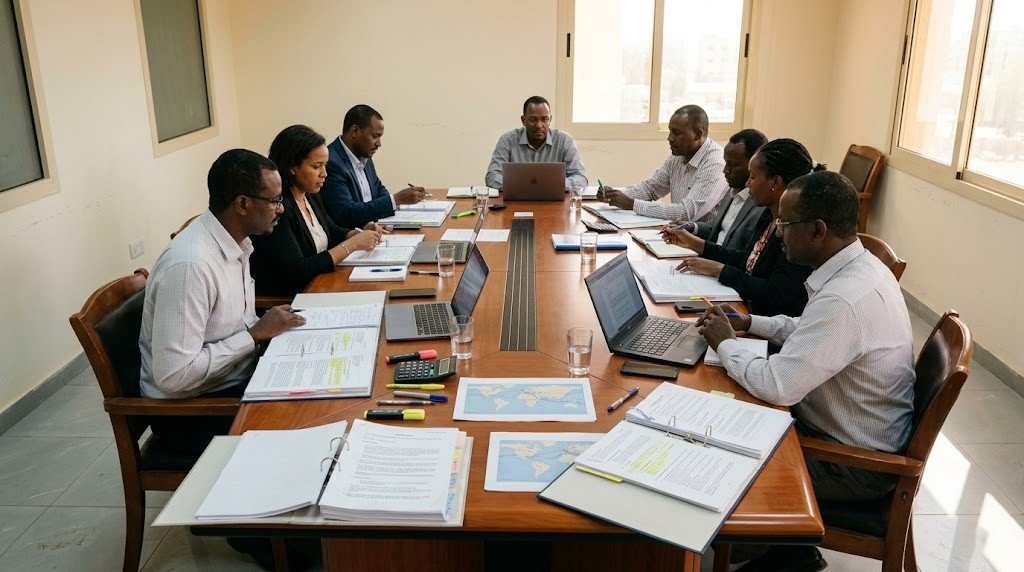
The economics of artisanal vs. industrial mining in Sudan are not a zero-sum game. Both models play vital, complementary roles in the nation’s gold ecosystem. Artisanal mining provides immediate livelihood and volume, while industrial mining offers efficiency and longevity. The future belongs to those who can bridge these worlds, creating a formalized, high-recovery supply chain that leverages the best of both. Sudan Gold is pioneering this hybrid approach, ensuring that our partners benefit from the agility of the artisanal sector and the robustness of industrial scale. In Sudan, the whole is truly greater than the sum of its parts.
Website: goldsudan.com Email: Sales@goldsudan.com