The high-value, cross-border nature of the gold trade makes it a prime target for sophisticated scams. Avoiding fraud in international gold transactions is not just a precaution; it is the most critical survival skill for any buyer engaging with emerging markets. From fake export licenses and non-existent cargo to “advance fee” scams and bait-and-switch assay reports, the methods used by fraudsters are constantly evolving. For institutional buyers, the cost of vigilance is negligible compared to the catastrophic loss of capital from a single successful scam. The golden rule remains: if a deal looks too good to be true, it is almost certainly a trap.
Sudan Gold operates with total transparency specifically to counter these risks. We understand that trust must be verified, not assumed. This guide outlines the specific red flags, verification steps, and protective measures necessary to navigate the market safely and ensure your capital only moves when real gold is secured.
Common Fraud Schemes in Gold Trading
Understanding the enemy is the first step to defense. The most prevalent scams include:
- The Advance Fee Fraud: The seller demands upfront payment for “export taxes,” “legalization fees,” or “security bonds” before the gold is shipped. Once paid, the seller disappears, and no gold exists. Reality: Legitimate exporters deduct fees from the final payment or include them in the price; they rarely ask for separate upfront wire transfers for “fees.”
- The Phantom Cargo: The seller provides convincing-looking documents (air waybills, assay certs) for gold that does not exist. They may even take buyers to a vault containing someone else’s gold. Reality: Always verify cargo existence with independent third parties and witness the sealing process personally.
- The Bait-and-Switch: The sample provided is high purity, but the actual shipment is low grade or mixed with base metals. Reality: Insist on witness sampling where the sample is taken from the bulk lot in your presence and sealed immediately.
- Fake Licenses: Sellers present forged government licenses. Reality: License numbers must be verified directly with the Ministry of Energy and Mining or the Central Bank of Sudan, not just visually inspected.
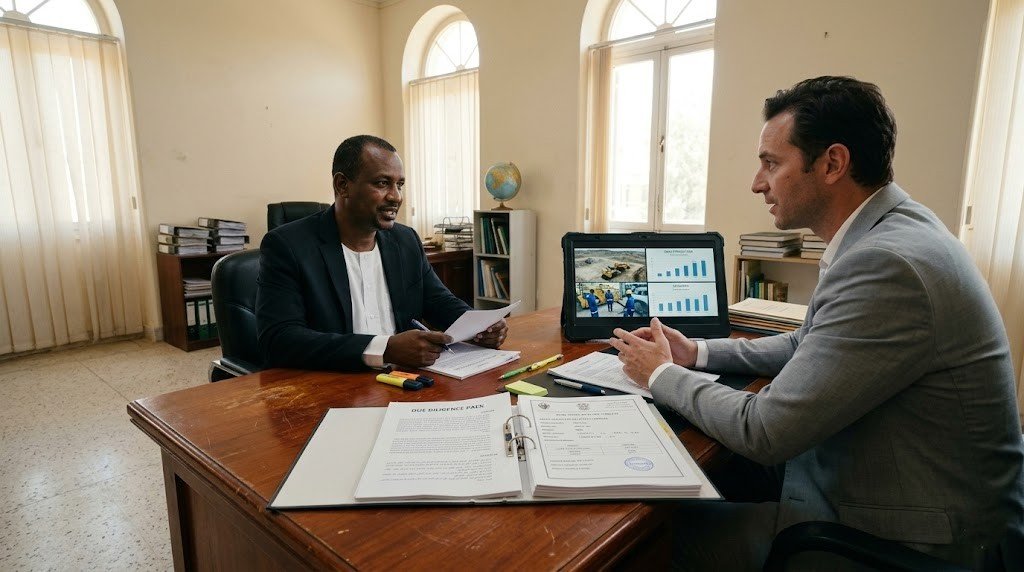
The Due Diligence Firewall
A rigorous due diligence process is your best shield:
- Corporate Verification: Confirm the company’s registration with the Sudanese Commercial Register. Check physical address, landline numbers, and staff identities.
- Bank-to-Bank Checks: Never send money to personal accounts or non-bank entities. Verify the seller’s corporate bank account details directly with their bank via SWIFT message.
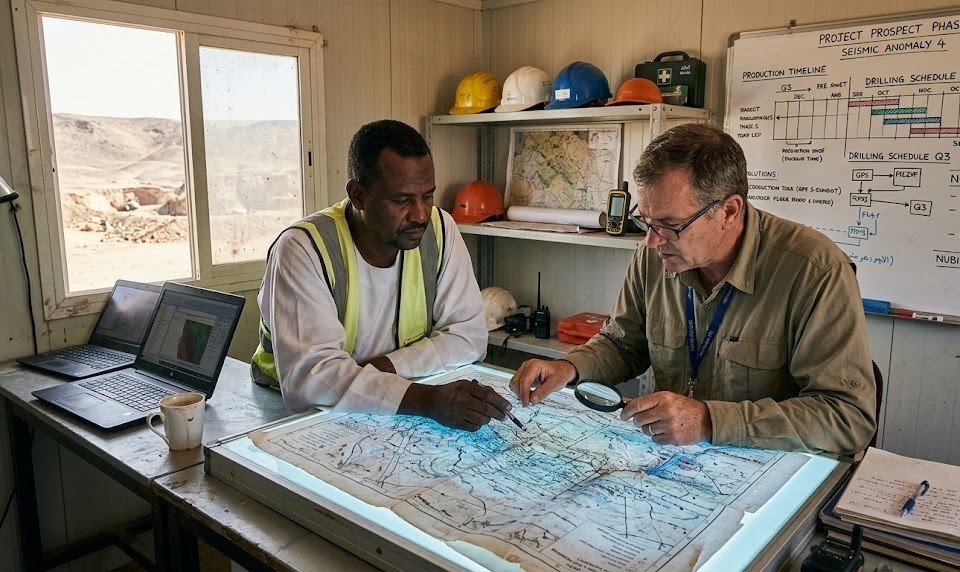
- Site Visits: If possible, visit the operation. Scammers often operate out of hotel rooms or virtual offices. A legitimate exporter will have a physical aggregation center, vault, and staff.
- Reference Checks: Speak to past buyers, not just references provided by the seller. Contact refineries and freight forwarders to confirm the seller’s track record.

Secure Payment Structures
How you pay is as important as who you pay:
- Escrow Services: Use reputable, licensed escrow agents who hold funds until the gold is delivered and assayed. This prevents advance fee theft.
- Letters of Credit (LC): Irrevocable DLCs ensure payment is only released upon presentation of verified shipping documents. This is the standard for institutional trade.
- No Cash Upfront: Never pay 100% cash upfront for unshipped goods. Standard terms involve a small deposit (if any) with the balance paid against documents or upon delivery.
- Tranche Payments: Break large deals into smaller shipments. Pay for the first small batch, verify it, then proceed to larger volumes. This limits exposure.
Red Flags to Watch For
Immediate warning signs that should halt a transaction:
- Pressure Tactics: Urgency to pay “before the price goes up” or “before the license expires.”
- Too Good to Be True Pricing: Offers significantly below the LBMA spot price (e.g., 15-20% discount) are almost always scams. Real margins are thin.
- Vague Communication: Refusal to answer specific technical questions about logistics, assay, or licensing.
- Email Only: Lack of verifiable landline, physical meeting, or video call capability.
- Generic Email Addresses: Using Gmail/Yahoo instead of a corporate domain for official business.
Conclusion
Avoiding fraud in international gold transactions requires skepticism, rigor, and patience. By understanding common schemes, enforcing strict due diligence, using secure payment instruments, and recognizing red flags early, buyers can protect their capital and engage safely with legitimate partners like Sudan Gold. In this market, caution is not paranoia; it is prudence. Trust, but verify—every single time.
Website: goldsudan.com Email: Sales@goldsudan.com