The governance of Sudan’s gold sector has evolved from a fragmented, loosely regulated environment into a centralized, state-prioritized industry. Following the economic shifts of the last decade, the Sudanese government has implemented rigorous oversight mechanisms to maximize revenue, combat illicit trade, and align with international compliance standards. For institutional buyers seeking to buy gold from Sudan, understanding this regulatory architecture is essential. It confirms that legitimate gold export from Sudan is not only possible but actively monitored and enforced by state authorities to ensure transparency and legality.
Sudan Gold operates strictly within this government-mandated framework. Our licensing, operational procedures, and export documentation are all subject to regular audits and approvals by key Sudanese ministries. This alignment with state oversight positions us as a compliant partner for international gold trading, offering buyers the security of a fully regulated supply chain.
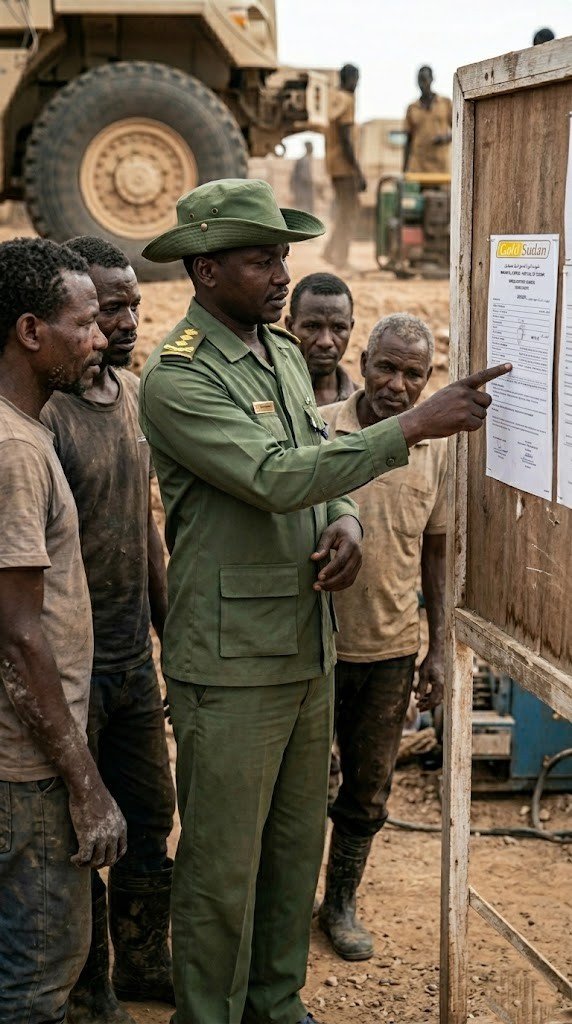
The Tripartite Regulatory Structure
Government oversight in Sudan is distributed across three primary entities, each with distinct mandates that collectively govern the entire value chain from extraction to export.
1. Ministry of Energy and Mining (MoEM)
The MoEM is the primary regulator for exploration and production. Its responsibilities include:
- Licensing: Issuing exploration, exploitation, and artisanal mining licenses.
- Geological Survey: Managing the Geological Research Authority of Sudan (GRAS) to map reserves and guide investment.
- Operational Compliance: Enforcing safety, environmental, and technical standards at mine sites.
- Inspections: Conducting regular site visits to verify that mining activities match licensed scopes.
For gold sourcing in Sudan, the MoEM license is the foundational document proving legal origin. Sudan Gold ensures all our source partners hold valid, active licenses issued by this ministry.
2. Ministry of Finance and Economic Planning (MoFEP)
Once gold is extracted, oversight shifts to the MoFEP, which manages the fiscal and export aspects:
- Export Permits: Issuing the mandatory authorization for every shipment leaving the country.
- Taxation & Royalties: Collecting mining royalties (typically a percentage of gross value) and corporate taxes.
- Revenue Management: Ensuring state share of profits is captured and recorded.
- Customs Coordination: Working with Sudanese Customs to clear exported goods.
No gold leaves Sudan without explicit approval from the MoFEP. This layer of oversight ensures that every export contributes to national revenue, a critical factor for Sudan gold exporters aiming to demonstrate economic legitimacy.
3. Central Bank of Sudan (CBOS)
The CBOS oversees the monetary and foreign exchange implications of gold trade:
- Currency Control: Regulating the repatriation of export proceeds and foreign exchange settlements.
- Strategic Reserves: Managing the state’s option to purchase a portion of domestic production for national reserves.
- AML/CFT Oversight: Enforcing Anti-Money Laundering and Combating the Financing of Terrorism protocols in line with Financial Action Task Force (FATF) recommendations.
- Transaction Monitoring: Tracking high-value transactions to prevent capital flight or illicit financial flows.
The involvement of the Central Bank adds a layer of financial scrutiny that aligns Sudan’s gold sector with global banking standards, facilitating smoother international gold trading for compliant operators.
Formalization of Artisanal Mining
A significant focus of recent government policy has been the formalization of the Artisanal and Small-Scale Mining (ASM) sector. Historically informal, ASM now accounts for the majority of Sudan’s production. The government has introduced several measures to bring this segment under state oversight:
- Cooperative Licensing: Encouraging individual miners to form registered cooperatives, which are easier to regulate and tax.
- Designated Buying Centers: Establishing state-approved purchasing hubs in mining regions to offer competitive prices and incentivize legal sales over smuggling.
- Mechanization Support: Providing technical assistance and access to safer, more efficient processing technologies to improve recovery rates and reduce environmental harm.
Sudan Gold actively supports these initiatives by partnering exclusively with registered cooperatives and licensed artisanal groups. This approach ensures that even gold from small-scale sources enters the global market with full government endorsement and traceability.

Anti-Smuggling and Enforcement Measures
Illicit trade remains a challenge, but the Sudanese government has intensified enforcement efforts to protect state revenue and ensure market integrity.
- Border Security: Enhanced monitoring at land borders and airports to detect unauthorized gold movements.
- Intelligence-Led Raids: Coordinated operations between mining inspectors, customs, and security forces to dismantle smuggling networks.
- Legal Penalties: Strict fines, asset seizures, and imprisonment for unlicensed trading and export violations.
- Digital Tracking: Pilot programs to introduce digital tracking systems for gold batches, enhancing traceability from mine to export.
These enforcement actions create a safer environment for licensed operators like Sudan Gold. By eliminating unfair competition from illicit traders, the government reinforces the value of compliance and due diligence in the Sudan gold market.
Alignment with International Standards
Recognizing the importance of global market access, Sudan is increasingly aligning its regulatory framework with international best practices.
- OECD Due Diligence: Efforts to adopt the OECD Guidance for Responsible Supply Chains of Minerals from Conflict-Affected and High-Risk Areas.
- EITI Participation: Steps toward joining the Extractive Industries Transparency Initiative (EITI) to promote open data on revenues and contracts.
- FATF Compliance: Strengthening AML/CFT laws to meet global financial watchdog requirements, reducing the risk of de-risking by international banks.
This trajectory toward international alignment makes buying gold from Sudan increasingly viable for regulated markets in Europe, North America, and Asia. Sudan Gold stays ahead of these curves, ensuring our internal policies exceed current regulatory minimums.
The Role of State-Owned Entities
The government also participates directly in the sector through state-owned enterprises and joint ventures. These entities often partner with international investors to develop large-scale commercial mines, bringing capital, technology, and expertise to the country. This direct state involvement signals a long-term commitment to the sector’s growth and stability, further reassuring international stakeholders.
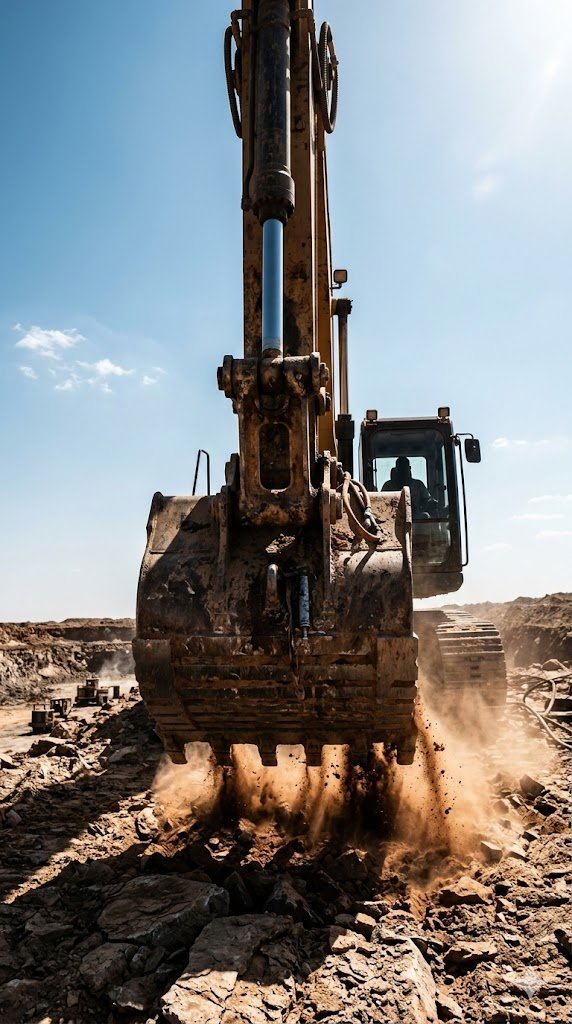
Conclusion: A Regulated Pathway for Global Trade
Government oversight of gold mining in Sudan is comprehensive, evolving, and increasingly sophisticated. The tripartite structure involving the Ministry of Energy and Mining, the Ministry of Finance, and the Central Bank creates a robust system of checks and balances. For international buyers, this means that compliant gold export from Sudan is backed by state authority, reducing counterparty risk and enhancing supply chain security.
Sudan Gold leverages this regulated environment to deliver secure, transparent, and legally sound gold supplies to the global market. We invite refiners, institutional investors, and sovereign entities to partner with us, confident in the knowledge that our operations are fully aligned with Sudan’s rigorous government oversight.
Discover how our compliant model can support your strategic procurement goals.
Website: goldsudan.com Email: Sales@goldsudan.com