Sudan’s ascent to becoming a top-tier gold producer in Africa is a story of geological fortune, economic necessity, and evolving regulatory frameworks. Over the last two decades, the nation has transitioned from a minor player to a critical node in the global precious metals supply chain. For institutional buyers aiming to buy gold from Sudan, understanding this trajectory provides essential context for evaluating long-term supply stability and international gold trading opportunities.
Sudan Gold operates at the intersection of this historical growth and modern compliance. We leverage deep local knowledge to navigate the complexities of the Sudan gold market, ensuring that our international partners receive verified, compliant, and securely sourced bullion.
The Geological Catalyst: The Nubian Shield
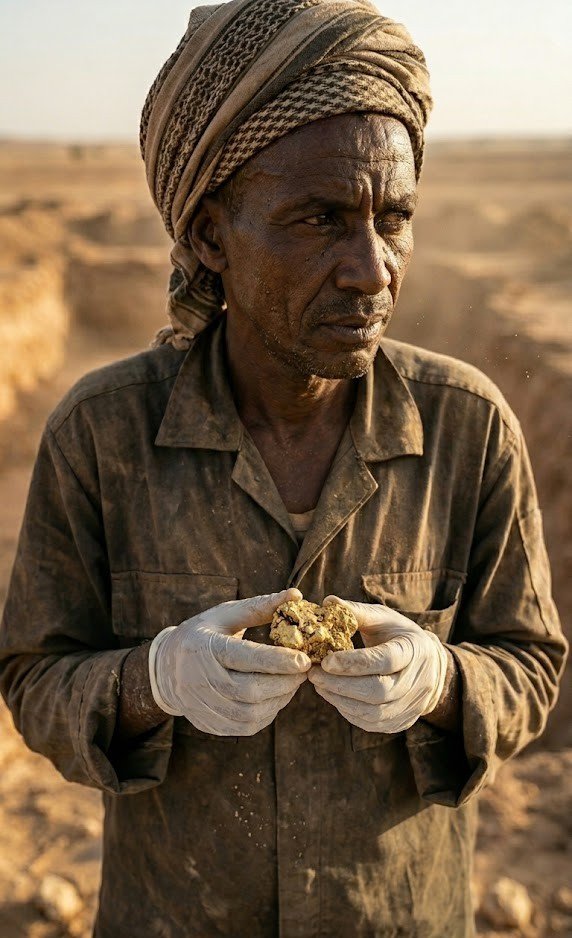
The foundation of Sudan’s gold boom lies in its geology. The country sits atop the Nubian Shield, a Precambrian rock formation rich in mineralization that extends across the Northern and River Nile States. This region hosts extensive quartz vein systems and alluvial deposits, making it one of the most prospective gold belts in Africa.
Historically, exploration was limited by infrastructure deficits and political instability. However, improved geological surveying in the early 2000s revealed the sheer scale of these reserves. Estimates suggest Sudan holds hundreds of tons of identified gold resources, with significant potential for further discovery. This geological reality transformed the sector from subsistence mining into a strategic national industry, attracting both local entrepreneurs and foreign technical partners interested in gold sourcing in Sudan.
Economic Drivers and the Shift to Gold
Economic pressures played a pivotal role in accelerating production. Following the separation of South Sudan in 2011, Sudan lost approximately 75% of its oil revenue, creating an urgent need for alternative foreign exchange earners. The government responded by prioritizing the mining sector, offering incentives for exploration and formalizing artisanal activities.
Gold quickly filled the fiscal gap. By 2015, gold had surpassed oil as Sudan’s primary export commodity. This shift was driven by:
- High Global Prices: Sustained bullish markets made extraction economically viable even for small-scale operators.
- Government Support: Tax breaks, simplified licensing, and state-backed purchasing programs encouraged production.
- Local Entrepreneurship: A surge in domestic investment saw thousands of locals enter the mining value chain, from digging to trading.
This economic imperative turned gold export from Sudan into a national priority, fostering an environment where production could scale rapidly despite infrastructural challenges.
The Rise of Artisanal and Small-Scale Mining (ASM)
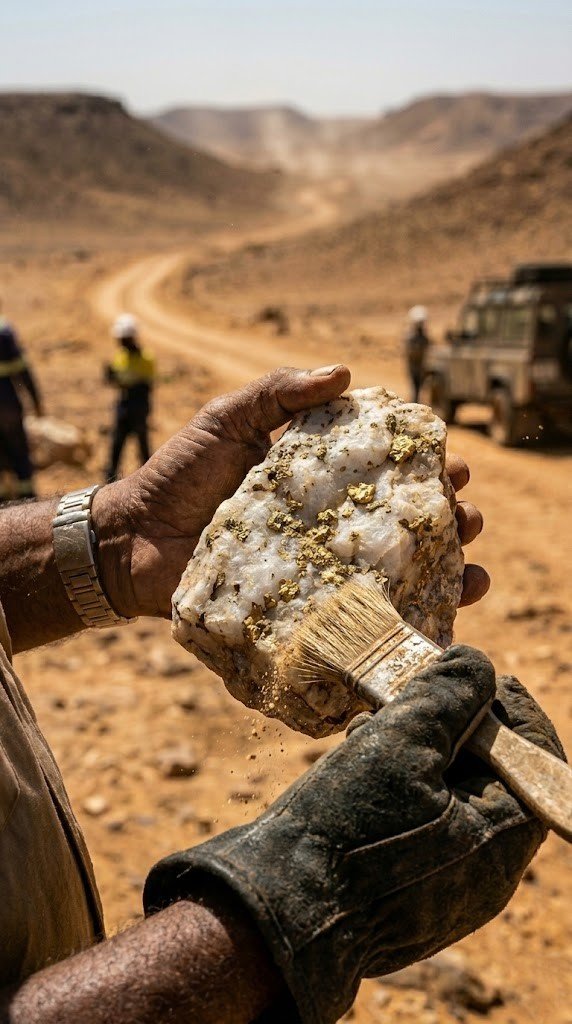
Unlike many African jurisdictions dominated by large multinational corporations, Sudan’s gold boom was largely fueled by Artisanal and Small-Scale Mining (ASM). Hundreds of thousands of individuals entered the sector, utilizing manual labor and basic machinery to extract ore.
While ASM drove volume, it initially created challenges regarding quality consistency and regulatory oversight. Informal trading networks flourished, often bypassing official channels. Recognizing this, the Sudanese government began efforts to formalize the sector, introducing licensing requirements and establishing buying centers to capture more value domestically.
Sudan Gold works within this evolving landscape. We partner exclusively with licensed ASM cooperatives and commercial entities that adhere to strict due diligence protocols. This approach allows us to tap into the vast ASM production base while ensuring full compliance for Sudan gold exporters serving regulated international markets.
Regulatory Evolution and Formalization
As production volumes surged, so did the need for robust regulation. The Ministry of Energy and Mining, alongside the Central Bank of Sudan, implemented stricter controls to combat illicit trade and ensure revenue retention. Key measures included:
- Mandatory Licensing: Requiring all miners and traders to register and obtain permits.
- Export Controls: Centralizing export procedures to verify provenance and purity before shipment.
- International Alignment: Adopting frameworks compatible with OECD due diligence guidelines to access Western and Middle Eastern markets.
These steps have gradually professionalized the Sudan gold market. While challenges remain, the trajectory is clearly toward greater transparency and institutional-grade operations. Sudan Gold aligns its internal compliance protocols with these national standards, providing an additional layer of assurance for international buyers.
Strategic Trade Routes and Global Integration
Sudan’s geographic location has facilitated its integration into global trade networks. The primary export corridor runs from Khartoum to Dubai (UAE), leveraging Dubai’s status as a global gold hub with efficient refining capacity and re-export capabilities. This route minimizes logistical friction and maximizes market access.
Secondary routes connect Sudan to Europe (via Switzerland and Turkey) and Asia (India and Singapore). These diverse pathways allow Sudan gold suppliers to serve a broad range of clients, from major refineries to central banks. Sudan Gold manages these logistics with precision, utilizing secure air freight and bonded warehousing to ensure safe, timely delivery.
Current Status and Future Outlook
Today, Sudan consistently ranks among the top three gold producers in Africa, trailing only Ghana and South Africa in certain metrics. Production continues to grow as mechanization increases and new deposits are brought online. The government’s focus on attracting foreign direct investment (FDI) for large-scale projects promises to further boost output and standardize practices.
For global investors, Sudan represents a high-potential frontier market. The combination of abundant reserves, established trade routes, and improving regulatory oversight makes it an attractive destination for buying gold from Sudan. However, success depends on partnering with entities that understand the local nuances and prioritize compliance.

Why Partner with Sudan Gold?
Sudan’s rise as a gold powerhouse offers immense opportunity, but it demands a partner who can navigate its complexities with integrity. Sudan Gold combines on-the-ground expertise with international compliance standards to deliver a seamless sourcing experience.
Our value proposition includes:
- Verified Supply Chains: Direct relationships with licensed miners and cooperatives.
- Regulatory Mastery: Deep understanding of Sudanese laws and international trade requirements.
- Operational Security: End-to-end logistics management with full insurance coverage.
- Transparency: Clear documentation and open communication at every stage.
We enable institutional buyers to capitalize on Sudan’s gold boom with confidence, knowing that every transaction is secure, compliant, and professionally managed.
Conclusion and Professional Call to Action
Sudan’s journey to becoming a key African gold producer is a testament to its resource wealth and adaptive economic strategy. As the sector matures, it presents compelling opportunities for discerning global buyers. Sudan Gold stands ready to facilitate these connections, bridging the gap between Sudan’s rich deposits and the world’s leading markets.
For refiners, sovereign funds, and institutional investors seeking reliable gold export from Sudan, we invite you to initiate a confidential dialogue. Let us demonstrate how our compliant, transparent model can support your strategic objectives.
Explore our capabilities and compliance framework at goldsudan.com.
Website: goldsudan.com Email: Sales@goldsudan.com