In the global commodities market, market volatility is not an anomaly; it is the baseline condition. For traders and investors sourcing gold from Sudan, understanding how to navigate price swings driven by geopolitical tension, currency fluctuations, and macroeconomic data is the difference between profit and loss. Unlike stable fiat assets, gold’s value is dynamic, reacting instantly to global fear and greed. However, in the context of African gold trading, volatility presents a unique dual reality: the opportunity to capitalize on global spot price spikes, balanced against the operational challenge of managing local costs and logistics in a shifting economic landscape.
Sudan Gold approaches volatility not as a threat to be feared, but as a variable to be managed. Our trading strategies are built on agility, utilizing hedging instruments, flexible pricing models, and robust liquidity management to ensure that our partners remain profitable regardless of the market’s direction. We do not rely on static contracts; we build resilient frameworks that withstand the storm.
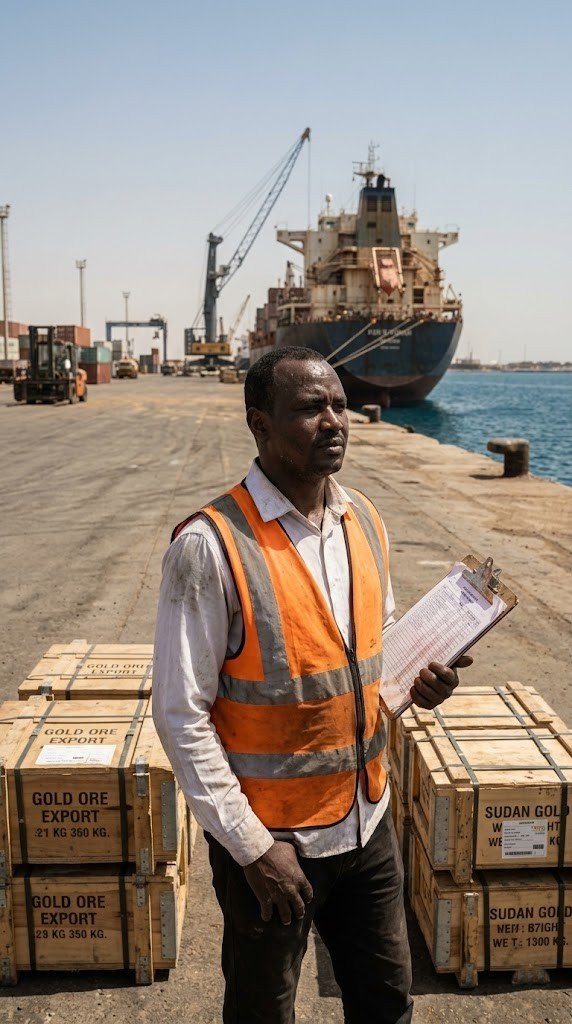
The Drivers of Gold Price Volatility
Gold prices are influenced by a complex web of global factors that traders must monitor constantly:
- Geopolitical Instability: Conflicts, elections, and trade wars drive investors toward safe-haven assets, spiking gold prices. For Sudanese exporters, this can mean sudden increases in demand from buyers seeking security.
- US Dollar Strength: Since gold is priced in USD, a stronger dollar typically suppresses gold prices, while a weaker dollar boosts them. This directly impacts the revenue of exporters who incur some costs in local currency.
- Interest Rates: Central bank rate hikes increase the opportunity cost of holding non-yielding assets like gold, often leading to price dips. Conversely, rate cuts tend to fuel rallies.
- Central Bank Buying: Record purchases by central banks (especially in Asia and the Middle East) create a floor for prices, supporting long-term stability even during short-term dips.
Impact on Sudanese Gold Trade
Volatility affects the Sudanese trade corridor differently than established markets:
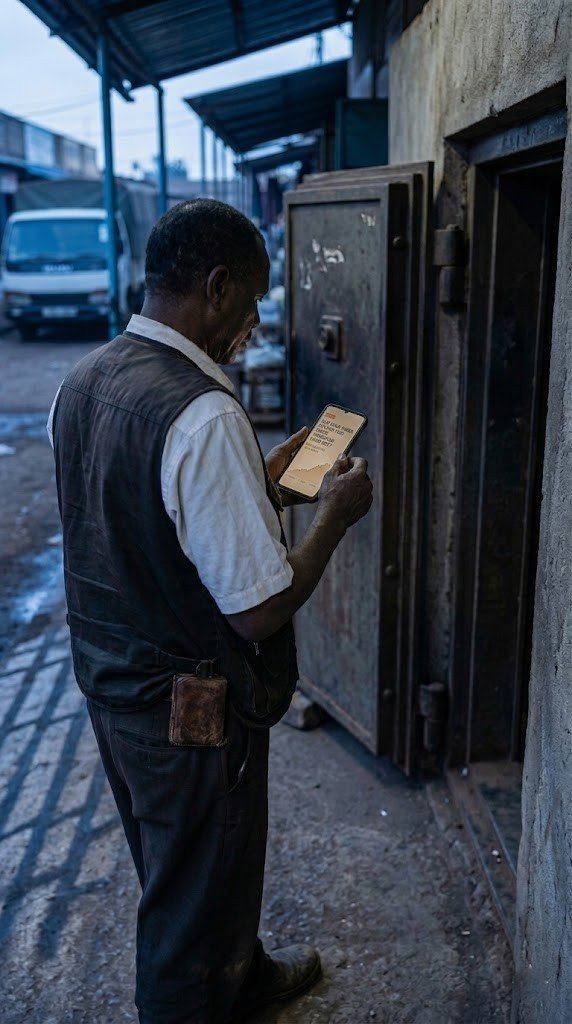
- Pricing Lag: In remote areas, information about global price spikes may take hours to reach artisanal miners. Traders who can communicate real-time prices gain a competitive advantage in securing supply before local prices adjust.
- Currency Mismatch: While exports are sold in USD, local operational costs (labor, fuel, food) are often in Sudanese Pounds (SDG). Rapid fluctuations in the SDG/USD exchange rate can squeeze margins if not hedged.
- Liquidity Crunches: During extreme volatility, buyers may pause transactions to reassess risk, temporarily drying up liquidity. Exporters with strong cash reserves (like Sudan Gold) can continue buying from miners when others cannot, securing volume at better rates.
Strategies for Managing Volatility
Sudan Gold employs specific tactics to protect our partners and our operations:
- Dynamic Pricing Clauses: Our contracts include formulas that link the final price to the LBMA fix at the exact time of assay or shipment, ensuring fairness regardless of intraday swings.
- Forward Selling: For large institutional clients, we offer forward contracts that lock in prices weeks in advance, shielding buyers from downside risk while guaranteeing supply.
- Rapid Turnaround: We minimize the time gold sits in inventory. By streamlining logistics from mine to airport, we reduce exposure to price drops during transit.
- Diversified Buyer Base: Serving multiple regions (UAE, Europe, Asia) ensures that if demand softens in one market due to local economic conditions, others may remain strong.

The Role of Information Asymmetry
In emerging markets, information is power. Volatility is often exacerbated by gaps in knowledge between global trends and local realities.
- Bridging the Gap: Sudan Gold invests in communication tools (satellite phones, mobile data) to ensure our field agents know the global spot price instantly. This allows us to offer fair, up-to-date prices to miners, building trust and securing loyalty even when the market is chaotic.
- Educating Partners: We help our international buyers understand the local context, explaining how global events translate to on-the-ground availability and pricing in Sudan.
Turning Volatility into Opportunity
For the prepared trader, volatility is a source of alpha (excess return).
- Buying the Dip: When panic drives prices down temporarily, well-capitalized exporters can accumulate inventory at lower costs, positioning for higher margins when the market recovers.
- Arbitrage: Differences in how quickly various markets react to news can create short-term arbitrage opportunities between the local Sudanese price and the Dubai spot price.
Conclusion
Market volatility and gold trading are inextricably linked. In Sudan, where the market is evolving rapidly, the ability to navigate these swings defines success. Sudan Gold combines local agility with global awareness, turning the challenges of volatility into strategic advantages for our partners. By maintaining transparent pricing, robust liquidity, and rapid execution, we ensure that whether the market is booming or correctional, our clients’ interests are protected and their supply chains remain unbroken. In a volatile world, certainty of supply is the ultimate hedge.
Website: goldsudan.com Email: Sales@goldsudan.com