For institutional investors, sovereign funds, and private equity groups, entering the Sudanese gold market offers high potential returns but requires a sophisticated, data-driven approach to risk assessment in Sudan gold investments. The narrative of “high risk” often obscures the reality: risks in frontier markets are not invisible; they are quantifiable, manageable, and often priced into the asset at a discount that creates opportunity. The key lies not in avoiding risk, but in identifying specific vectors—geopolitical, operational, regulatory, and financial—and deploying targeted mitigation strategies that transform uncertainty into a calculated competitive advantage.
Sudan Gold operates on a framework of “Radical Risk Transparency.” We do not hide challenges; we map them, measure them, and manage them. Our internal risk matrix is shared with qualified partners, ensuring that every investment decision is based on clear, verified data rather than speculation or fear.
1. Geopolitical and Security Risk
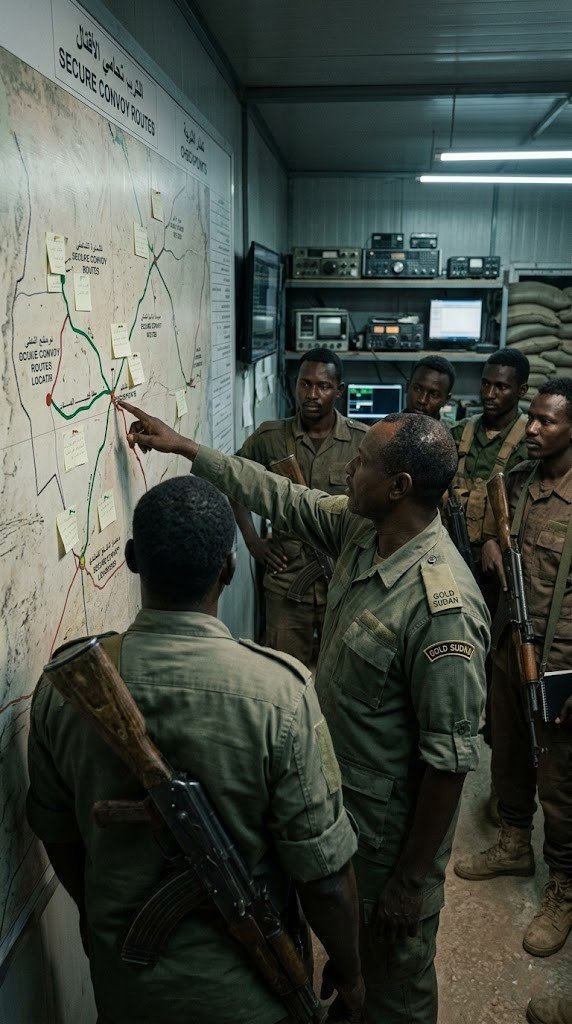
The most cited concern is political stability. However, the gold sector often operates in a “bubble” of stability due to its economic importance.
- The Reality: While national politics can be volatile, the mining regions (Northern State, River Nile) are generally stable and heavily guarded due to their revenue generation. The government prioritizes the security of gold routes.
- Mitigation:
- Regional Focus: We concentrate operations in historically stable northern corridors, far from conflict zones.
- Security Partnerships: We utilize dedicated armed escorts and work closely with local community leaders and military units who have a vested interest in protecting the trade.
- Political Risk Insurance: Investors can secure coverage from agencies like MIGA (World Bank) or private insurers against expropriation, political violence, and contract frustration.
2. Regulatory and Compliance Risk
Changes in laws or bureaucratic bottlenecks can impact operations.
- The Reality: Sudan is actively reforming its mining code to attract FDI, moving towards greater transparency (e.g., EITI membership). However, bureaucracy can still be slow.
- Mitigation:
- Local Expertise: Our team includes former ministry officials and legal experts who navigate the regulatory landscape efficiently.
- Compliance First: By adhering strictly to OECD and FATF standards, we insulate our partners from regulatory backlash.
- Stabilization Clauses: Long-term contracts often include clauses that protect investors from adverse changes in law for a fixed period.
3. Operational and Infrastructure Risk
Challenges in power, water, and transport can affect costs and timelines.
- The Reality: Infrastructure in remote areas is limited. Power grids may be unreliable, and roads can be rough.
- Mitigation:
- Self-Sufficiency: Our aggregation centers use solar hybrid power systems and independent water sources, reducing reliance on public utilities.
- Logistics Control: We maintain our own fleet of armored, off-road vehicles and have established secure air freight corridors that bypass road limitations for final export.
- Inventory Buffering: We maintain strategic stockpiles in Khartoum vaults to ensure continuous export flow even if temporary logistical disruptions occur at the mine level.
4. Financial and Currency Risk
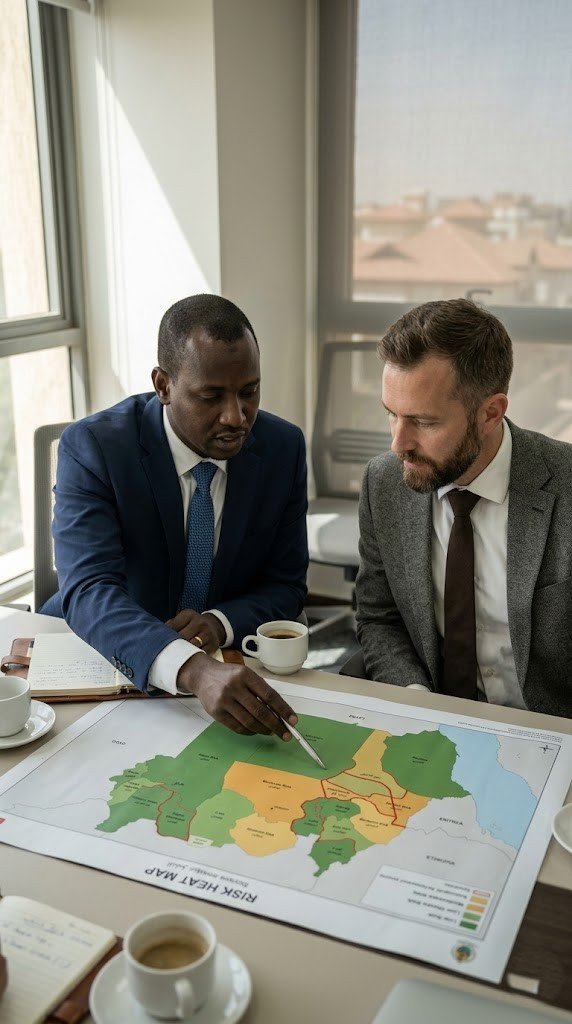
Fluctuations in exchange rates and banking access can complicate transactions.
- The Reality: The Sudanese Pound (SDG) can be volatile, and access to foreign currency is regulated.
- Mitigation:
- USD Denomination: All export contracts and international transactions are strictly denominated in USD, eliminating local currency exposure for investors.
- Offshore Settlement: Payments are settled in offshore accounts (e.g., Dubai, Europe), ensuring funds never touch the local banking system where convertibility might be an issue.
- Hedging: For larger exposures, financial hedging instruments can be used to lock in margins.
5. Reputational and ESG Risk
Association with illicit activities or poor labor practices can damage brand value.
- The Reality: The presence of informal artisanal mining creates a risk of commingling with non-compliant material.
- Mitigation:
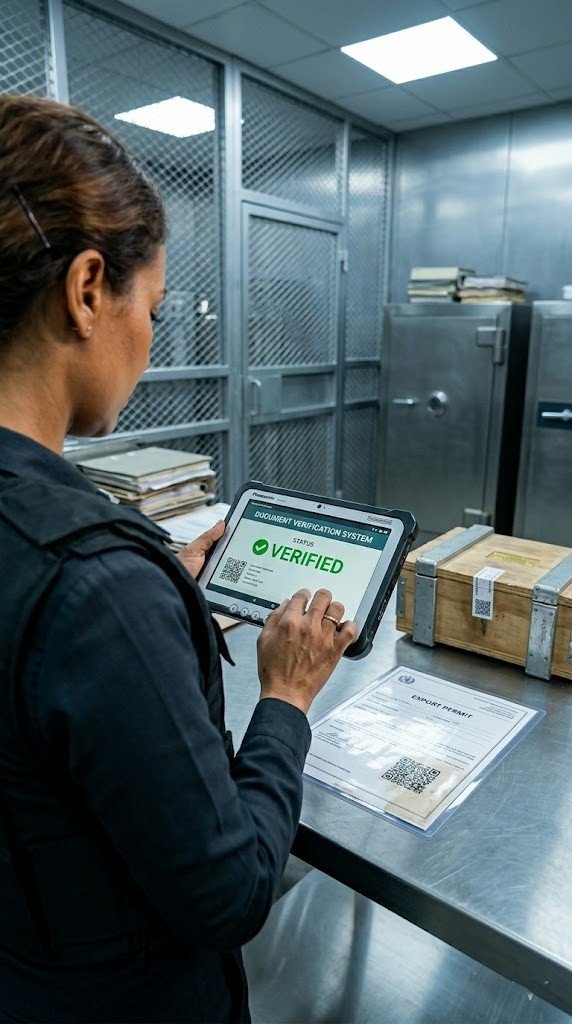
- Strict Chain of Custody: Our “Know Your Miner” (KYM) protocol ensures every gram is traced to a licensed source.
- Third-Party Audits: Regular audits by international firms verify our labor and environmental standards.
- Community Investment: We actively invest in local communities, building social license to operate and reducing the risk of unrest.
Conclusion
Risk assessment in Sudan gold investments is not about finding a risk-free environment—it is about mastering the risks that exist. With a partner like Sudan Gold, investors gain access to a structured, transparent, and proactive risk management framework that turns potential vulnerabilities into managed variables. By understanding the specific contours of geopolitical, operational, and financial risk in Sudan, institutions can deploy capital with confidence, securing high-yield opportunities that are inaccessible in saturated, low-risk markets. The greatest risk of all is missing the opportunity to define the future of this emerging giant.
Website: goldsudan.com Email: Sales@goldsudan.com