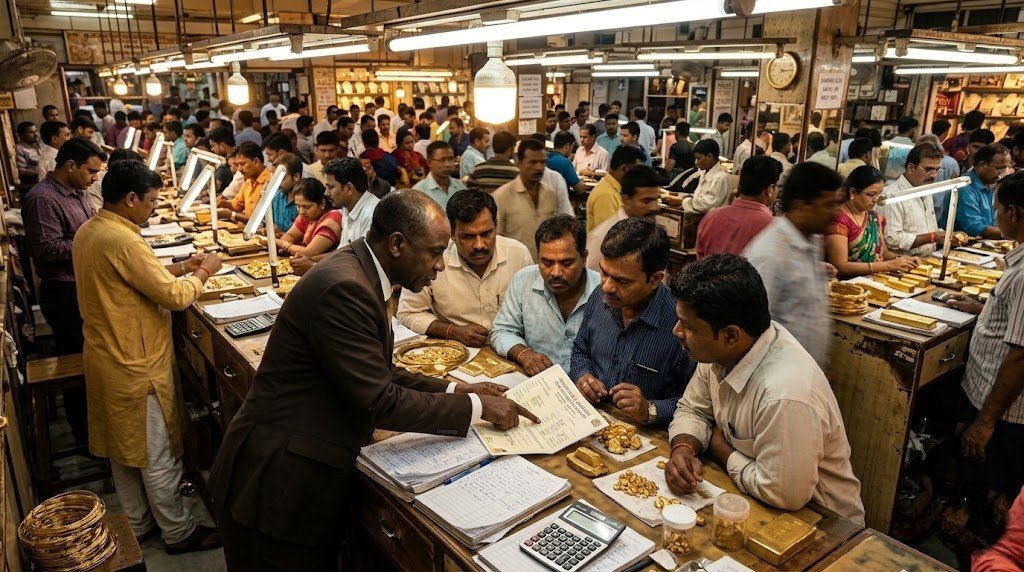
The gravitational center of global gold consumption has decisively shifted eastward, making Sudan gold and Asian market demand one of the most critical dynamics in the modern precious metals trade. As traditional Western markets stabilize, the insatiable appetite for gold in China, India, and Southeast Asia drives prices, liquidity, and strategic sourcing decisions. For these markets, Sudan represents more than just a source of metal; it is a vital supply line for both massive state-backed refineries and a thriving jewelry manufacturing sector that relies on consistent, high-volume doré feedstock. The unique cultural affinity for gold as a store of wealth in Asia, combined with the region’s rapid industrial growth, creates a perfect synergy with Sudan’s emerging export capacity.
Sudan Gold has strategically aligned its operations to serve this dynamic region. We understand that Asian buyers prioritize volume consistency, competitive pricing, and speed of settlement. By optimizing our logistics for direct access to hubs like Singapore, Mumbai, and Shanghai, we ensure that Sudanese gold flows seamlessly into the world’s most voracious consumption markets, bridging the gap between African extraction and Asian prosperity.
The Drivers of Asian Demand
Why is Asia so crucial for Sudanese gold?
- Cultural Significance: In India and China, gold is deeply embedded in culture, religion, and marriage traditions, creating a baseline demand that is resistant to economic downturns.
- Investment Hedge: With large populations seeking protection against currency inflation and property market volatility, physical gold remains the preferred asset class.
- Manufacturing Hub: Asia processes a significant percentage of the world’s jewelry. Refineries in India (e.g., MMTC-PAMP) and China require massive amounts of doré to keep their production lines running at full capacity.
- Central Bank Accumulation: Asian central banks (particularly China and India) have been aggressively adding gold to their reserves to diversify away from the US dollar, creating a sovereign-level demand stream.
Key Markets: India, China, and Singapore
Each Asian hub plays a distinct role in the Sudan gold trade:
- India: The world’s largest consumer of gold. Indian refiners are major buyers of Sudanese doré due to their high capacity for processing lower-purity material and their competitive refining charges. The trade is often driven by price sensitivity and volume.
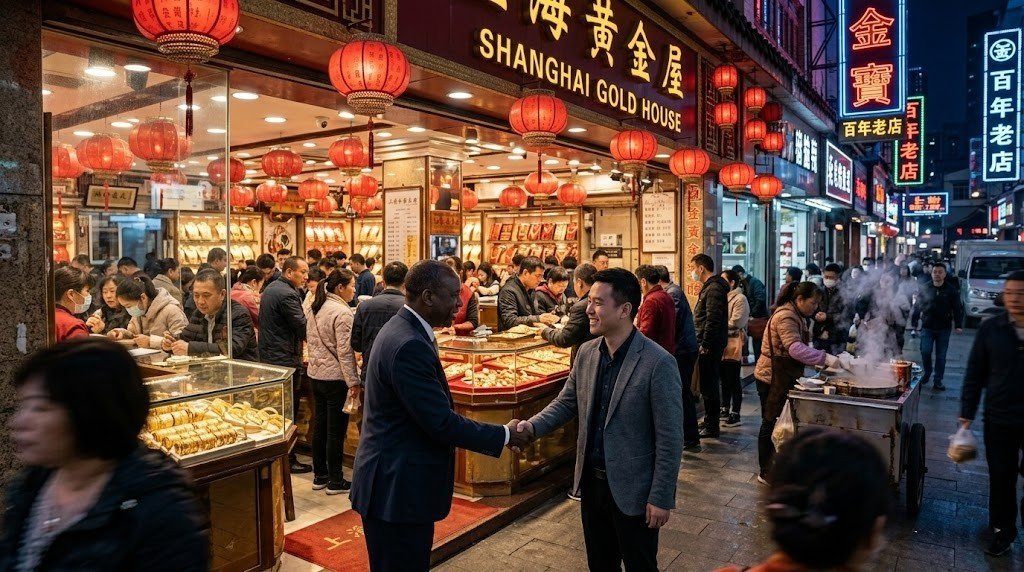
- China: A rapidly growing market with strict import quotas but massive domestic demand. Chinese buyers value traceability and compliance, increasingly seeking gold that meets international ESG standards to satisfy domestic regulations.
- Singapore: Emerging as the “Switzerland of Asia,” Singapore offers a neutral, tax-efficient hub for storage and trading. It serves as a consolidation point where Sudanese gold can be refined, stored, or re-exported to other Asian nations with minimal friction.
Logistics: The Silk Road of Gold
The physical route from Sudan to Asia is a marvel of modern logistics:
- Direct and Connecting Flights: Cargo typically moves from Khartoum to hubs like Dubai, Addis Ababa, or Doha, before connecting to major Asian airports (Delhi, Mumbai, Shanghai, Singapore). Total transit time is usually 12–24 hours.
- Specialized Carriers: We utilize airlines with dedicated precious metals protocols, ensuring secure handling and temperature-controlled environments if necessary.
- Customs Harmonization: Many Asian nations have streamlined customs procedures for gold, especially when accompanied by recognized certificates (LBMA-aligned assays, OECD reports). Sudan Gold ensures all documentation meets these specific regional requirements to prevent delays.

Pricing and Settlement Dynamics
The Asian market operates with unique financial characteristics:
- Shanghai Gold Exchange (SGE): Prices in China are increasingly referenced against the SGE benchmark rather than just LBMA, reflecting local supply/demand fundamentals. Sudan Gold monitors these spreads to optimize timing for Chinese shipments.
- Premiums: During peak festival seasons (e.g., Diwali in India, Lunar New Year in China), local premiums over the spot price can spike, offering lucrative opportunities for exporters who can time their deliveries correctly.
- Settlement Speed: Asian markets are known for rapid settlement cycles. Payments in Singapore and India are often cleared within 24 hours of final assay, providing excellent liquidity for exporters.
Navigating Regulatory Nuances
While demand is high, regulatory landscapes vary:
- Import Duties: India and China impose significant import duties on gold to control trade deficits. Structuring deals to account for these costs (or utilizing Special Economic Zones) is critical for margin preservation.
- KYC/AML: Asian regulators have tightened anti-money laundering rules. Buyers now demand rigorous proof of origin and conflict-free status, aligning perfectly with Sudan Gold’s compliance-first approach.
- Foreign Exchange Controls: Some countries have strict currency controls. We work with banking partners who have established RMB and INR clearing channels to facilitate smooth transactions.
Conclusion
Sudan gold and Asian market demand form a powerful economic axis that is reshaping global trade flows. As Asia’s hunger for gold continues to grow, Sudan’s ability to provide compliant, high-volume supply positions it as a strategic partner for the region’s future. From the bustling bazaars of Mumbai to the high-tech refineries of Singapore, Sudanese gold is finding a welcoming home in markets that value both its intrinsic worth and its potential for growth. Sudan Gold is proud to facilitate this connection, ensuring that the riches of Africa contribute to the prosperity of Asia through a relationship built on trust, quality, and mutual benefit.
Website: goldsudan.com Email: Sales@goldsudan.com